In a fascinating glimpse into Nintendo’s creative process, a recently translated interview has revealed the emotional story behind one of the company’s beloved spin-off titles. Captain Toad: Treasure Tracker, the charming puzzle-adventure game that debuted in 2014, was never supposed to feature the mushroom-headed explorer at all. Instead, the game was originally conceived as a Legend of Zelda title, complete with Link as its protagonist. When legendary game designer Shigeru Miyamoto rejected the concept, the developer behind the pitch was so devastated that he burned the elaborate handmade diorama he had crafted to sell the idea.
The revelation comes from a 2015 interview with Nintendo Dream magazine, which has only recently been translated into English for a new Did You Know Gaming video. The interview features Koichi Hayashida, the director of Super Mario 3D World, who shared the behind-the-scenes story of how Captain Toad came to be. The tale offers a rare window into Nintendo’s famously secretive development culture and the sometimes painful creative process that shapes the games millions of players enjoy.
The Birth of a Unique Gameplay Concept
The distinctive gameplay format that would eventually define Captain Toad: Treasure Tracker began as a simple prototype within Nintendo’s offices. The core concept involved players controlling a tiny character from a distant, almost god-like perspective, slowly exploring intricate environments while solving puzzles and collecting items. The stages were designed to resemble dioramas—compact, detailed worlds that players could rotate and examine from multiple angles. This unique approach to level design emerged from the team working on Super Mario 3D World, Nintendo’s major platforming title for the Wii U.
However, the developers quickly encountered a fundamental problem with their prototype. Mario, Nintendo’s iconic mascot, simply didn’t fit the gameplay they were creating. “The thing we noticed was that if Mario could jump, the stages become pretty big, so we wondered whether it would be possible to make a game with a character who can’t jump,” Hayashida explained. Mario’s signature ability—his legendary jumping prowess—actually undermined the careful, methodical exploration the diorama concept required. The team needed a character with limitations, someone who couldn’t simply leap over obstacles or bypass puzzles entirely.
A Zelda Dream Goes Up in Flames
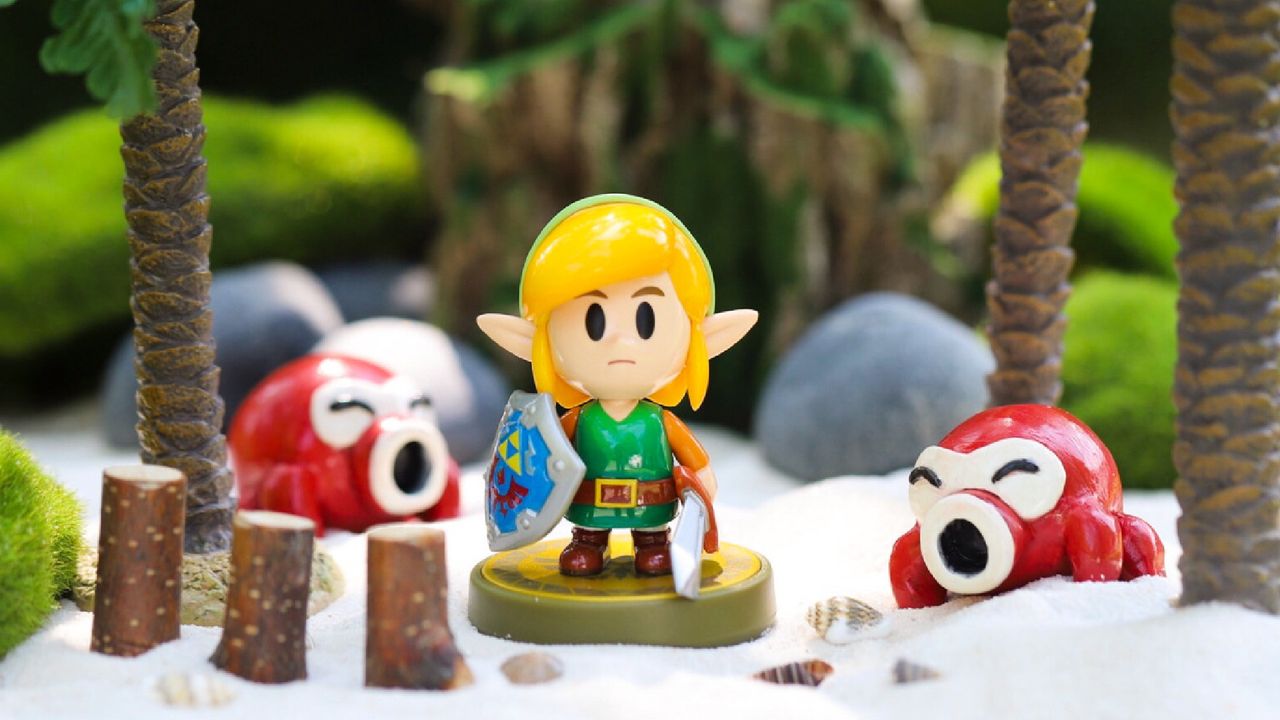
Enter level designer Shinya Hiratake, who saw an opportunity to solve the character problem while paying homage to another beloved Nintendo franchise. Hiratake conceived the idea of using Link, the protagonist of The Legend of Zelda series, as the main character for these diorama-style adventures. It made a certain creative sense—Link’s adventures often involve methodical exploration, puzzle-solving, and item collection, all elements that aligned perfectly with the prototype’s gameplay. To pitch this ambitious crossover concept, Hiratake went above and beyond what would typically be expected.
During his personal time outside of work hours, Hiratake painstakingly constructed a physical Zelda-themed diorama by hand. This wasn’t a quick mock-up or a digital presentation—it was a labor of love, a detailed miniature world designed to capture Miyamoto’s imagination and demonstrate the potential of merging Zelda’s aesthetic with the diorama gameplay concept. When Hiratake finally presented his creation to Miyamoto—the legendary designer who created both Super Mario and The Legend of Zelda—the initial reaction seemed promising. Miyamoto was genuinely impressed by the craftsmanship of the diorama itself.
Unfortunately, a critical miscommunication doomed the pitch. Miyamoto believed he was looking at a concept for a physical toy product that Nintendo could manufacture and sell in retail stores. When he realized Hiratake was actually proposing a video game concept, Miyamoto shut down the idea entirely. “If Hiratake had given a better presentation,” Hayashida reflected, “there’s a chance it would have been a different game with Zelda instead.” The rejection hit Hiratake hard. When asked about the fate of his carefully crafted diorama, Hiratake’s response was stark: “I burned it. It was such a bad memory that I decided to let it die.”
From Rejection to Redemption
Despite the painful rejection of the Zelda concept, the core gameplay idea refused to die. The development team eventually found their perfect protagonist in an unexpected place: Captain Toad, a supporting character who had appeared in Super Mario Galaxy wearing a headlamp and backpack. The character’s heavy backpack provided the perfect in-universe explanation for why he couldn’t jump, elegantly solving the design problem that had plagued the prototype from the beginning. Captain Toad’s diorama-style levels were initially included as bonus stages within Super Mario 3D World, where they became surprise highlights of the game.
The bonus stages impressed none other than Miyamoto himself, who suggested the team develop the concept into a full standalone title. The result was Captain Toad: Treasure Tracker, which Hiratake co-directed—a fitting redemption for the developer whose Zelda dreams had been so thoroughly crushed. The game launched in 2014 for Wii U and was later ported to Nintendo 3DS and Nintendo Switch, finding commercial success and critical acclaim. For Hiratake, the journey from burning his handmade diorama to co-directing a successful Nintendo title represents one of gaming’s more poignant behind-the-scenes stories—a reminder that even rejected ideas can eventually find their way to players in unexpected forms.
Expert Opinion: This story exemplifies the creative tension that defines Nintendo’s development culture, where bold ideas frequently clash with the company’s protective stance over its flagship franchises. The fact that a Zelda-themed puzzle game was rejected yet eventually succeeded as a Mario spin-off suggests Nintendo’s IP management sometimes prioritizes brand consistency over creative experimentation. Looking forward, as Nintendo continues developing for its next-generation hardware, stories like Hiratake’s remind us that the games we never got to play may be just as significant as those that reached store shelves.