
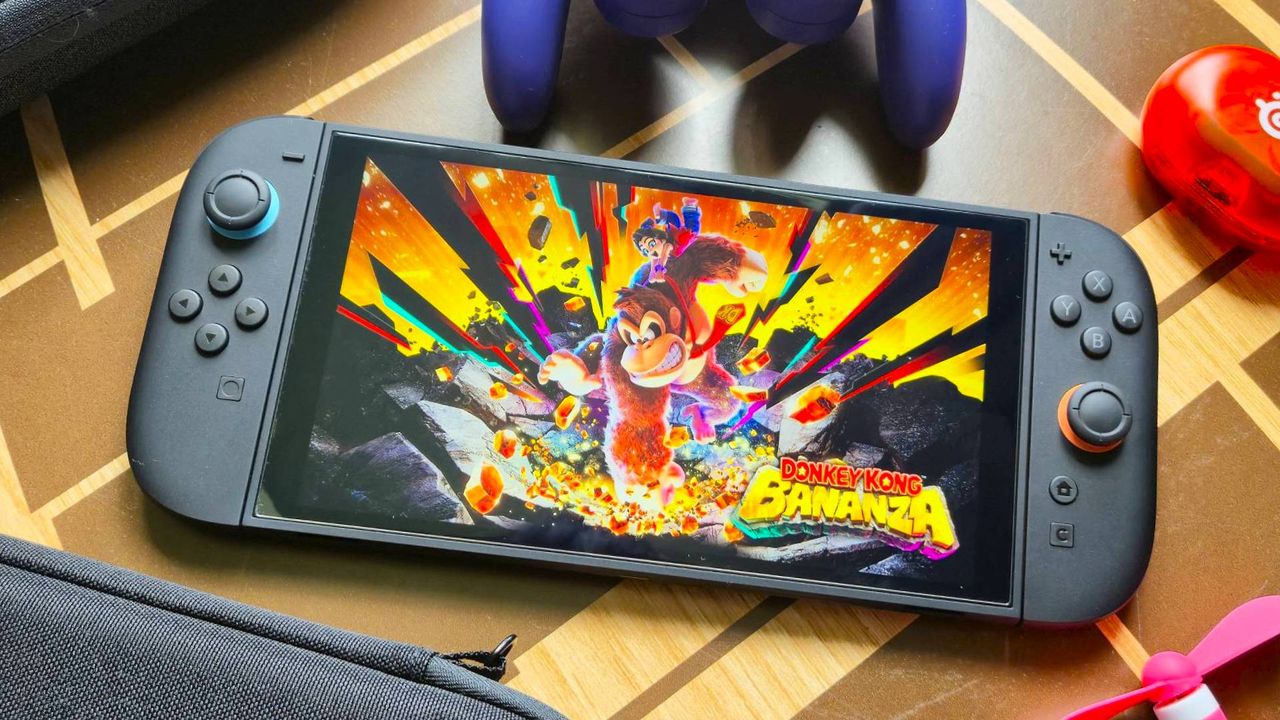
In an unprecedented shift in the gaming console market, Microsoft’s aging Xbox Series S has officially become more expensive than Nintendo’s brand-new Switch 2 in both the United Kingdom and European markets. The price increase, which took effect at the beginning of August 2025, marks another chapter in the ongoing saga of escalating hardware costs that has fundamentally altered the economics of console gaming. While American consumers received advance warning back in June, European and UK gamers were left in the dark about the extent of the increases until the changes went live, revealing significant jumps across the entire Xbox lineup.
The new pricing structure has sent shockwaves through the gaming community. Microsoft’s Xbox Series X now starts at an eye-watering $749.99 in the United States, £619.99 in the United Kingdom, and €749.99 across Europe for the all-digital version. Meanwhile, the Xbox Series S—a console that first launched in November 2020, making it over five years old—now carries price tags of $599.99 / £519.99 / €599.99 for the 1TB model, or $499.99 / £429.99 / €499.99 for the base 512GB edition. These represent increases of $100 to $150 depending on the specific model and storage configuration.
Nintendo’s Switch 2 Offers Surprising Value Comparison
The comparison with Nintendo’s latest hardware tells a compelling story about the current state of the console market. The Nintendo Switch 2, which represents cutting-edge technology fresh to market, is currently priced at $449.99 in the United States, £395.99 in the United Kingdom, and €469.99 in Europe. This means that even the cheapest Xbox Series S configuration now costs more than Nintendo’s flagship hybrid console—a remarkable situation given the age disparity between the two devices. However, this pricing advantage for Nintendo consumers may be short-lived, as the Japanese gaming giant has announced its own price increases scheduled for approximately one month from now, which will add $50 to the Switch 2’s American price tag, bringing it to $499.99. Pricing adjustments for UK and European markets remain unconfirmed at this time.
The gaming industry has witnessed dramatic shifts in console pricing strategies over the past two decades. Traditionally, console manufacturers operated on a model where hardware was sold at or below cost, with profits generated through software sales and licensing fees. This approach, pioneered during the early console wars of the 1990s, allowed companies to prioritize market penetration over immediate hardware profits. However, the current generation has completely upended this conventional wisdom. Sony’s recent price adjustments have pushed the PlayStation 5 Pro toward the $1,000 threshold in some markets, fundamentally altering consumer expectations about what gaming hardware should cost.
Global Component Shortages Drive Industry-Wide Increases
The primary culprit behind these sweeping price increases is the ongoing global shortage of RAM and other critical semiconductor components. The technology sector has been grappling with supply chain constraints that have affected everything from smartphones to automobiles, but the gaming industry has been particularly hard hit. Industry analysts point to the explosive growth in artificial intelligence applications as a major factor diverting manufacturing capacity away from traditional consumer electronics. Data centers powering AI systems require massive quantities of high-performance memory chips, creating intense competition for limited production capacity. This has resulted in component costs rising significantly for all hardware manufacturers, forcing companies like Microsoft, Sony, and Nintendo to pass these expenses on to consumers.
The current generation of gaming consoles has defied the traditional wisdom that advised consumers to wait before purchasing new hardware. In previous console cycles, patient gamers were often rewarded with price cuts, hardware revisions with improved reliability, and larger game libraries. This generation has inverted that dynamic entirely—those who purchased consoles at launch prices secured significantly better deals than those who waited. The Xbox Series S, for instance, launched at just $299 in 2020, meaning current prices represent a doubling of the original cost. Meanwhile, Nintendo has been actively combating scalping issues with its Switch 2, implementing novel restrictions in Japan that require potential buyers to demonstrate at least 50 hours of playtime on premium Switch 1 titles before being eligible to purchase multi-language console versions.
Market Implications and Consumer Strategies
For consumers navigating this challenging landscape, timing has become more critical than ever. Those considering an Xbox purchase face the reality of paying premium prices for hardware that is well into its lifecycle, while Nintendo fans eyeing the Switch 2 have a narrow window to secure current pricing before the announced increases take effect. Industry observers suggest that these pricing trends are unlikely to reverse in the near term, as the underlying supply chain issues show no immediate signs of resolution. The convergence of AI demand, geopolitical tensions affecting semiconductor manufacturing, and persistent inflation has created a perfect storm for consumer electronics pricing. Gaming enthusiasts are increasingly being forced to weigh the value proposition of console gaming against other entertainment options, potentially reshaping the competitive landscape of the industry for years to come.
Expert Opinion: The current pricing trajectory suggests we are witnessing a fundamental restructuring of the console gaming market’s economics. With component shortages projected to persist through at least 2026 and AI infrastructure continuing to dominate semiconductor demand, consumers should expect further price adjustments rather than the traditional mid-cycle reductions. This may accelerate the industry’s shift toward subscription-based gaming services as manufacturers seek alternative revenue models to offset hardware margin pressures.