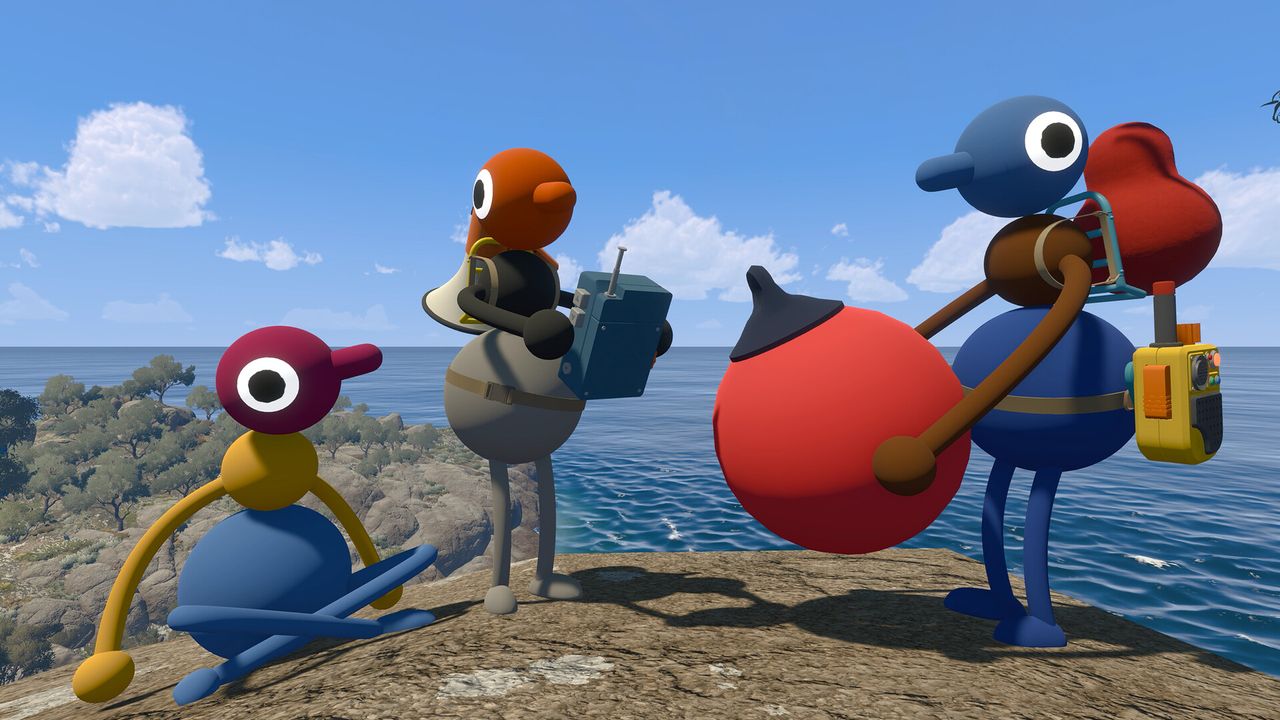
Seven years after captivating players worldwide with the mischievous antics of Untitled Goose Game, Australian indie developer House House has struck gold once again. Their latest creation, Big Walk, has rapidly ascended to become one of the highest-rated games of 2026, earning widespread critical acclaim and capturing the hearts of players around the globe. However, unlike most studios basking in the glow of a successful launch, House House isn’t rushing to announce new content updates, sequels, or expansion plans. Instead, the small team has made it abundantly clear that they need something far more valuable than commercial momentum right now: rest.
In a candid Reddit AMA session following Big Walk’s triumphant release, the developers fielded questions about the game’s future and the studio’s upcoming projects. Their responses, while thoughtful, carried a refreshing honesty that’s rarely seen in the gaming industry. When asked about downloadable content or future updates, the team was remarkably transparent about their current state of exhaustion. “We’re not really sure what Big Walk’s future looks like – getting this far took heaps of work and a long time!” one developer wrote. “We need a good rest before we start thinking about what’s next.” This level of vulnerability from a studio at the peak of its success speaks volumes about the demanding nature of game development, even for smaller independent teams.
The Long Road From Goose to Big Walk
House House’s journey from Untitled Goose Game to Big Walk represents nearly a decade of creative evolution. The Melbourne-based studio first gained international recognition in 2019 when their physics-based comedy game about a troublesome goose became a viral sensation. That title sold millions of copies and spawned countless memes, cementing House House’s reputation as masters of charming, accessible game design. The seven-year gap between releases, however, highlights the meticulous approach the studio takes to game development. Unlike larger publishers that release annual iterations, indie studios like House House often pour years of passion and perfectionism into singular creative visions, a process that inevitably takes its toll on small teams working with limited resources.
The gaming industry has increasingly recognized the dangers of developer burnout, particularly following high-profile discussions about crunch culture at major studios. For a team the size of House House, which operates with just a handful of core members, the pressure of creating a follow-up to a beloved hit can be immense. The studio’s decision to prioritize mental health and recovery over immediate monetization strategies represents a growing trend among independent developers who value sustainability over rapid expansion. Industry analysts have noted that this approach, while potentially leaving money on the table in the short term, often results in more innovative and polished products when developers do return refreshed and creatively recharged.
A Complete Experience From Day One
Despite the absence of planned content updates, House House emphasized that Big Walk was designed to be a complete, satisfying experience from the moment of purchase. The game’s open-ended, “unrestricted” design philosophy means players already have substantial content to explore and experiment with. Priced at just twenty dollars, with a current promotional discount bringing it down to fifteen, the developers believe Big Walk offers exceptional value without requiring additional purchases or content drops. This stands in stark contrast to the live-service model that has dominated the gaming landscape in recent years, where many titles launch as incomplete experiences with the expectation of ongoing updates and microtransactions.
When pressed for suggestions on extending their playtime, the House House team offered a delightfully simple solution: make your own fun. “We’ve had great success playing hide-and-seek amongst ourselves,” one developer shared during the AMA. “We hope the game world is generous enough to make your own games within it.” This response encapsulates the studio’s design philosophy, which has always prioritized emergent gameplay and player creativity over prescriptive objectives. The term “friendslop,” which has emerged to describe cozy, cooperative gaming experiences, perfectly captures Big Walk’s appeal as a game meant to be shared and enjoyed with loved ones, creating unique memories rather than simply completing checkboxes on a quest list.
What the Future May Hold
While House House has made no concrete commitments about future projects, the studio’s track record suggests that whatever comes next will be worth the wait. Their emphasis on quality over quantity, combined with their willingness to take creative risks, has established them as one of the most respected independent developers in the industry. For now, fans will simply have to enjoy Big Walk for what it is: a brilliantly crafted cooperative experience that proves games don’t need constant updates or expansive roadmaps to be valuable. As the developers take their well-deserved break, players worldwide will continue discovering new ways to enjoy their creation, perhaps inventing entirely new games within the generous sandbox House House has provided.
Expert Opinion: House House’s decision to prioritize developer wellbeing over immediate expansion reflects a maturing indie game industry that increasingly values sustainable development practices. Their success with Big Walk demonstrates that players remain hungry for complete, polished experiences rather than endless content treadmills. When the studio eventually returns with their next project, the creative rejuvenation from this extended break will likely result in another innovative title that once again challenges industry conventions.