
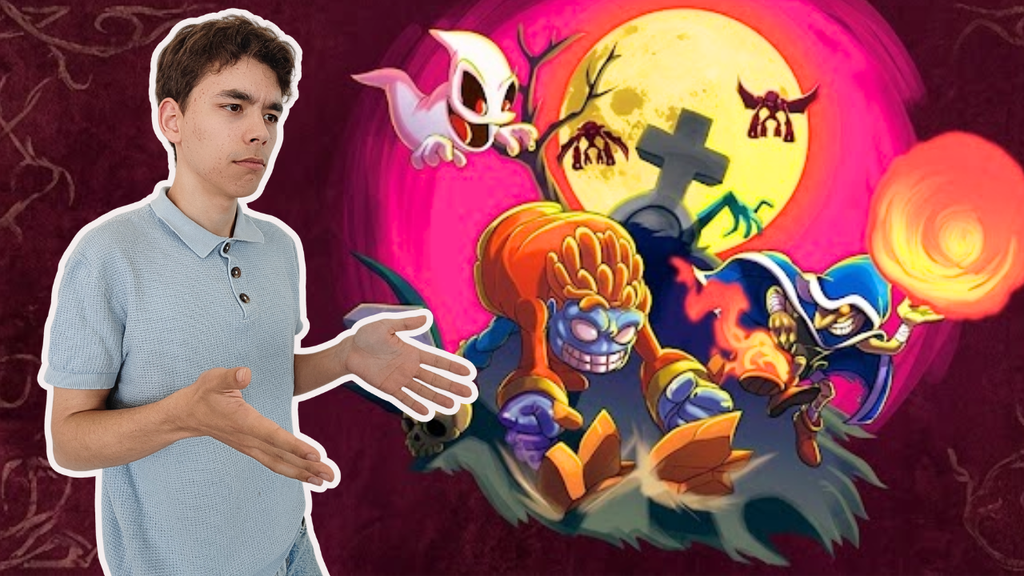
The Neo Geo AES+ is set to arrive at the end of this year, and honestly, I was fully prepared to make the purchase immediately upon release. SNK’s announcement of a modernized version of their legendary console had retro gaming enthusiasts around the world buzzing with excitement. The prospect of reliving the golden age of arcade gaming in a sleek, updated package seemed like a dream come true for collectors and nostalgic gamers alike. However, what should have been unbridled enthusiasm has turned into a cold shower of disappointment. Learning that one of my absolute favorite games on the original console is not included in the launch lineup has left me utterly frustrated and questioning whether this purchase is worth making at all.
The Legacy of the Neo Geo AES and SNK’s Gaming Empire
To understand why the Neo Geo AES+ matters so much to gaming enthusiasts, one must first appreciate the legendary status of its predecessor. The original Neo Geo Advanced Entertainment System launched in 1990 as a revolutionary concept: bringing the exact arcade experience into homes without any compromises. While competitors like Nintendo and Sega offered simplified home versions of arcade titles, the Neo Geo delivered pixel-perfect reproductions with identical hardware specifications. This came at a premium price, with the console retailing for approximately $650 at launch and individual game cartridges costing between $200 and $600. Despite these astronomical prices, the system cultivated a devoted following among serious gamers who demanded the very best in quality and authenticity.
SNK, the company behind the Neo Geo, became synonymous with excellence in the fighting game and action genre during the 1990s. Their library included iconic franchises such as Fatal Fury, The King of Fighters, Samurai Shodown, Metal Slug, and Art of Fighting. These games represented the pinnacle of 2D sprite-based artistry, featuring hand-drawn animations that still impress viewers today. The company’s commitment to quality over quantity established the Neo Geo as a prestige platform, a status symbol among hardcore gamers. The system’s legendary status has only grown over the decades, with original cartridges now commanding prices in the thousands of dollars on the collector’s market.
The AES+ Promise: Modern Revival Meets Classic Gaming
When SNK announced the Neo Geo AES+ project, it represented more than just another retro console reissue. The company promised a carefully curated experience that would honor the original hardware’s legacy while making these classic titles accessible to a new generation. Modern features including HDMI output, save states, and improved controllers were designed to bridge the gap between nostalgic authenticity and contemporary convenience. For those of us who could never afford the astronomical prices of the original system during its heyday, the AES+ seemed like a second chance to own a piece of gaming history without taking out a small loan.
The anticipation surrounding this release has been building for months within retro gaming communities. Online forums and social media platforms have been filled with speculation about which titles would make the cut for the launch roster. Everyone has their personal favorites, those specific games that defined their arcade experiences or represented countless hours of enjoyment at a friend’s house who was fortunate enough to own the original hardware. The selection of launch titles was always going to be controversial given the incredible depth of the Neo Geo library, but certain omissions feel particularly egregious to longtime fans.
When Nostalgia Meets Commercial Reality
The absence of key titles from the launch lineup raises important questions about the challenges facing retro console revivals. Licensing issues, technical complications, and corporate strategies all play roles in determining which games make the final cut. Some beloved titles may involve complex rights situations, particularly games that were developed in partnership with other companies or that use licensed music and characters. Additionally, companies often hold back popular titles for future updates or expansion packs, a strategy that maximizes ongoing revenue but frustrates consumers who want the complete experience from day one.
Industry analysts have noted that retro console releases face a delicate balancing act between satisfying hardcore enthusiasts and appealing to casual nostalgia buyers. The former group has specific, often non-negotiable expectations about which games must be included, while the latter may be satisfied with recognizable brand names regardless of the specific titles. This tension frequently results in launch lineups that please neither group entirely. For passionate fans like myself, the omission of a particularly meaningful title can transform excitement into bitter disappointment, regardless of how many other quality games are included in the package.
Expert Opinion: The Neo Geo AES+ represents a fascinating case study in how retro gaming companies must navigate fan expectations against business realities. While SNK’s decision to omit certain beloved titles may seem baffling to enthusiasts, this strategy likely indicates planned DLC expansions or licensing negotiations still in progress. Collectors should watch for post-launch announcements, as the most demanded titles often appear in subsequent updates once the initial sales data proves market viability.