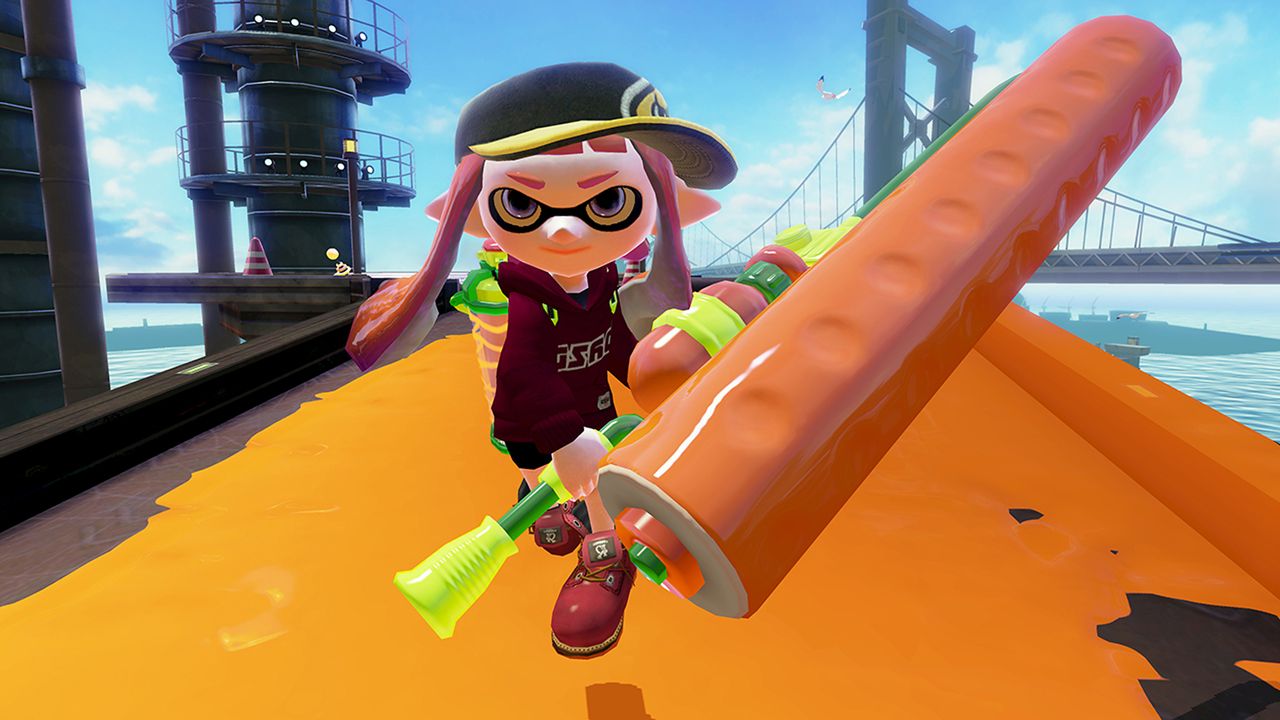
In the annals of video game history, few titles have defied expectations quite like Splatoon. When Nintendo launched this colorful ink-splattering shooter in May 2015, industry observers were skeptical at best. Here was a company renowned for relying on established franchises like Mario, Zelda, and Pokémon suddenly introducing something entirely new: an online-focused multiplayer shooter featuring transforming squid-children who spray neon ink across urban battlegrounds. The concept sounded absurd on paper, yet it would go on to become one of Nintendo’s most significant new intellectual properties in decades, proving that calculated risks can yield spectacular rewards in the gaming industry.
Key Takeaways
- Splatoon launched on the struggling Wii U in May 2015 with just five maps, yet built a thriving community through deliberate content pacing
- Turf War’s territory-painting focus let players contribute without high kill counts, opening competitive multiplayer to casual and family audiences
- The 13th Japanese Splatfest drew nearly 800,000 players—over half the country’s entire Wii U install base
- Nintendo expanded the map count from five to sixteen over eight months, all at no extra cost to players
- Unconventional choices like removing voice chat and rotating maps reduced toxicity and kept matchmaking fast despite limited hardware sales
The circumstances surrounding Splatoon’s launch made its eventual success all the more remarkable. The game arrived on the Wii U, a console that was struggling mightily in the marketplace with an installed base that paled in comparison to competitors. Nintendo had little experience developing online shooters, a genre dominated by established Western franchises like Call of Duty and Battlefield. Additionally, the company’s reputation for online gaming infrastructure was far from stellar, with critics often pointing to clunky friend codes and limited connectivity features. Yet despite these considerable handicaps, Splatoon managed to capture lightning in a bottle, creating a dedicated community that remained active long after many predicted the servers would empty.
Rethinking Victory in the Shooter Genre
What set Splatoon apart from other shooters was its fundamental approach to competition. Rather than focusing primarily on eliminating opponents, the core Turf War mode tasked players with covering the most ground in their team’s ink color. This seemingly simple twist opened the genre to players who might have been intimidated by traditional shooters’ emphasis on reflexes and kill counts. A player could contribute meaningfully to their team’s victory without ever “splatting” an opponent, instead focusing on painting territory and providing strategic support. This accessibility was central to Nintendo’s design philosophy, allowing families and casual gamers to enjoy competitive multiplayer alongside more hardcore players.
The game launched with what many considered a sparse offering: just five maps and a single game type available on day one. However, this apparent weakness was actually a deliberate strategy. By limiting the available content and rotating maps every four hours, Nintendo ensured that the relatively small Wii U playerbase could always find matches quickly, typically within a minute of loading the game. Additional modes rolled out gradually, with Splat Zones arriving when enough players reached level ten, followed by Tower Control and Rainmaker. Each new mode added strategic depth while maintaining the accessible core that made Turf War so inviting. The steady drip of content gave players consistent reasons to return, transforming what could have been a flash-in-the-pan release into a sustained phenomenon.
Splatfests Turned Matches Into Cultural Events
| Content Type | Details |
|---|---|
| Launch Maps | 5 arenas available day one |
| Final Map Count | 16 arenas added over 8 months |
| Ranked Modes | Splat Zones, Tower Control, Rainmaker unlocked progressively |
| Weapon Expansions | Gatling guns, paint buckets, bamboo pipes and more |
| Splatfest Events | Tri-weekly community competitions with themed debates |
Perhaps nothing exemplified Nintendo’s understanding of community building quite like the Splatfest events. These tri-weekly competitions transformed the game into a cultural celebration, pitting players against each other in debates that ranged from the profound to the delightfully absurd. Should one prefer cats or dogs? Is red salmon superior to tuna mayonnaise for rice balls? These questions became rallying cries for passionate communities, with players donning their team’s colors and battling for supremacy over 48-hour periods. The final Splatfest, which crowned a favorite between the Squid Sisters idol duo Callie and Marie, represented the emotional culmination of more than a year of community events.
The presentation surrounding these events demonstrated Nintendo’s theatrical sensibilities. In the days leading up to each Splatfest, the game’s plaza hub would fill with other players wearing their team’s colors, building anticipation for the main event. When the Splatfest began, night would fall over the game world, Miiverse posts would appear as flashy banners, and the Squid Sisters would leave their studio to perform on stages flanking the lobby. Matches played out under darkened skies, lending every encounter an atmosphere of heightened importance. In Japan especially, participation numbers were staggering: the 13th Japanese Splatfest attracted nearly 800,000 players, representing more than half of the country’s entire Wii U installed base. These numbers spoke to the game’s cultural penetration and the effectiveness of Nintendo’s community engagement strategies.
Eight Months of Free Content Defied Industry Norms
Nintendo’s post-launch support for Splatoon exceeded expectations from a company with a historically inconsistent approach to online gaming. Over eight months, the map count swelled from five to sixteen, with each new arena introducing purposeful variety to the experience. Moray Towers became a sniper’s paradise, its elevated parking structures creating dramatic vertical gameplay. Port Mackerel’s multi-lane layout encouraged MOBA-like tactical incursions. Later additions like Piranha Pit’s conveyor belts and Mahi Mahi Resort’s receding water levels showed designers willing to experiment with the game’s fundamental mechanics. All of this content arrived at no additional cost to players, a stark contrast to the season pass culture prevalent in competing titles.
The weapon variety proved equally impressive, with Nintendo continuously expanding players’ options for customizing their ink-slinging arsenal. From gatling guns to paint buckets and bamboo pipes, each new weapon type enabled different playstyles and tactical approaches. Players could tailor their loadouts to complement their preferred role, whether aggressive front-line assault or supportive territorial control. This customization extended to the fashion-forward wardrobe options, allowing players to express personality through their Inkling avatars while also affecting gameplay statistics. The consistent, focused vision behind every addition ensured that nothing felt out of place or unbalanced the competitive ecosystem that had emerged.
What Other Studios Cannot Simply Copy
The lessons other developers might draw from Splatoon’s success are not easily transferable. Many of Nintendo’s choices—removing voice chat, limiting map selection, delaying private match functionality for months—would provoke outcry if implemented by studios like EA or Activision in their flagship shooters. Yet these restrictions served Splatoon’s unique circumstances and audience perfectly. The absence of voice chat reduced toxicity and made the game more welcoming to younger players and families. The rotating map selection kept queue times short despite the limited playerbase. Every design decision flowed from a coherent understanding of what Splatoon needed to be, rather than what genre conventions dictated.
A decade after its original release, Splatoon’s influence continues reverberating through Nintendo’s strategy. The franchise successfully transitioned to the Nintendo Switch with Splatoon 2 and Splatoon 3, each installment building upon the foundation established in 2015 while introducing refinements and new content. The series has proven that Nintendo can successfully establish new intellectual properties when the creative vision is strong enough to overcome conventional wisdom about market expectations. For a company sometimes criticized for over-relying on nostalgic properties, Splatoon stands as evidence that innovation remains central to Nintendo’s identity. The colorful, ink-soaked battlegrounds continue attracting new generations of players, ensuring that this unlikely gamble has paid dividends far beyond what anyone predicted when those first shots of neon ink splattered across Wii U screens in May 2015.
Why Splatoon Rewrote the Shooter Playbook
Splatoon succeeded precisely because Nintendo ignored shooter conventions. By making territory coverage the win condition rather than kills, the game sidestepped the reflex-heavy gatekeeping that alienates casual players. Families could compete alongside veterans, and a player who never eliminated an opponent could still tip the scoreboard. That design philosophy created an audience pipeline Western shooters rarely tap.
The controlled content drip also deserves scrutiny. Launching sparse looks like weakness, but on a console with limited online population, it concentrated players into fast queues and let Nintendo iterate based on real feedback. Rotating maps every four hours kept the meta fresh without fragmenting matchmaking—a trick live-service games with larger budgets often fumble.
Splatfests revealed something broader: competitive shooters can double as social rituals. The weekend-long events, complete with in-game stage performances and community polling, gave players reasons to return that had nothing to do with ranking up. It was appointment gaming wrapped in squid-kid aesthetics, and participation numbers in Japan showed it worked at scale.
For other studios, the uncomfortable truth is that many of these decisions only worked because Nintendo accepted trade-offs—no voice chat, no private lobbies at launch—that would spark backlash elsewhere. Splatoon was engineered for its specific hardware, audience, and brand context. The lesson is less about copying features and more about designing for actual constraints rather than genre templates.
Common Questions About Splatoon's Impact
Why did Splatoon succeed on the Wii U despite low console sales?
Nintendo concentrated its small playerbase by limiting maps and rotating them every four hours, ensuring fast matchmaking. Free content updates and Splatfest events kept engagement high, turning hardware limitations into community-building opportunities.
How did Turf War make shooters more accessible?
Victory depended on painting the most territory, not racking up kills. Players could contribute by inking ground and supporting teammates, lowering the skill barrier that intimidates newcomers in traditional shooters.
What made Splatfest events so popular?
They combined themed community debates, timed competitions, and in-game spectacle—night maps, idol performances, plaza transformations—creating a festival atmosphere that drove record participation numbers.
Expert Opinion: Splatoon’s enduring success demonstrates that market research and genre conventions are not absolute predictors of consumer behavior. Nintendo’s willingness to trust its creative instincts over safe commercial calculations resulted in a franchise that now rivals the company’s most established properties in cultural relevance. As the gaming industry increasingly consolidates around proven formulas and sequel-driven development, Splatoon stands as a compelling argument that audiences remain hungry for genuinely original experiences—provided they’re executed with the polish and sustained commitment that Nintendo brought to this unlikely phenomenon.