
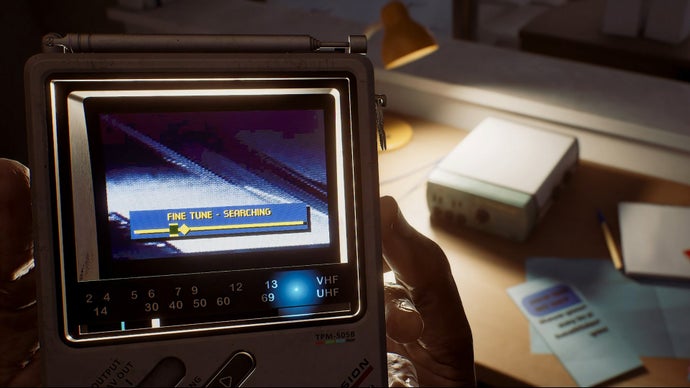
The Silent Hill franchise has always thrived on psychological horror, manipulating players’ fears through atmospheric tension and deeply unsettling imagery. Now, the developers behind the upcoming Silent Hill: Townfall are taking a different approach to terror—one that targets something deeply personal for many gamers: their nostalgic attachment to vintage technology. Set in the 1990s, the game deliberately eschews modern devices in favor of period-appropriate equipment, most notably replacing the series’ iconic static-spewing radio with a portable CRT television. According to the development team at No Code, this isn’t merely an aesthetic choice but a calculated psychological strategy designed to subvert players’ warm feelings about retro tech.
For longtime fans of the Silent Hill series, there’s something inherently uncomfortable about seeing the franchise’s fog-shrouded nightmare world populated with contemporary technology. The recent Silent Hill: The Short Message, which featured smartphones and modern interfaces, drew mixed reactions from players who felt that seeing a faux iPhone in the series’ disturbing landscape somehow diminished the horror. The original four Silent Hill games, released between 1999 and 2004, existed in a technological context that has since become inextricably linked with the series’ identity. Flashlights with limited battery life, crackling radios that warned of approaching monsters, and grainy video footage all contributed to an atmosphere of vulnerability and isolation that modern technology threatens to undermine.
The Psychology Behind Retro Horror
The decision to set Townfall in the 1990s represents more than simple fan service. Horror media has long understood that familiar objects, when twisted or corrupted, create a uniquely unsettling experience. By utilizing technology that many players remember fondly from their childhoods—portable televisions, VHS tapes, and analog equipment—the developers are tapping into a rich vein of psychological horror potential. The warmth and comfort associated with these devices makes their corruption all the more disturbing. What was once a source of entertainment and connection becomes a conduit for terror.
No Code, the Scottish development studio behind Townfall, has previously demonstrated expertise in atmospheric storytelling with titles like Observation and Stories Untold. Their approach to horror often involves subverting player expectations and using familiar interfaces in unexpected ways. With Townfall, they’re applying this philosophy to an established horror franchise, promising to take the nostalgic glow that surrounds 1990s technology and transform it into something deeply uncomfortable. The portable CRT television that replaces the traditional radio isn’t just a cosmetic change—it’s a deliberate tool for psychological manipulation.
Balancing Nostalgia and New Horror
However, the effectiveness of this approach may vary significantly among players. For those who grew up during the original PlayStation era, when the first Silent Hill games defined survival horror, the 1990s setting and its associated technology will likely resonate powerfully. The static-filled screens, the chunky plastic casings, and the limitations of analog equipment all carry emotional weight that can be exploited for horror purposes. But for younger players who have no personal connection to this era, the nostalgic manipulation may fall flat, leaving them with what simply feels like a period piece rather than a deeply personal psychological assault.
The Silent Hill franchise has always been about more than just monsters and jump scares. At its core, the series explores personal trauma, guilt, and the way our minds construct nightmares from our own experiences. By grounding Townfall in a specific technological era, the developers are attempting to access a collective nostalgia shared by a generation of horror fans. Whether this gamble pays off will depend largely on how effectively they can transform those warm memories into instruments of dread. The portable CRT, with its flickering screen and analog imperfections, certainly has the potential to become an iconic horror device—but only if players have the emotional connection necessary for its corruption to truly disturb them.
Expert Opinion: No Code’s strategy of weaponizing technological nostalgia represents an evolution in horror game design, moving beyond visual and auditory scares toward more personal psychological manipulation. This approach could prove highly effective for players aged 30-45 who have genuine emotional connections to 1990s technology, but risks alienating younger audiences who may not share these associations. The success of Townfall will likely hinge on whether the game can create horror that transcends generational experience while still capitalizing on the unique unease that comes from seeing beloved childhood objects corrupted.