Since its launch in 2006, Roblox has carried a persistent reputation as a platform primarily designed for children and young teenagers. With its colorful aesthetic, blocky graphics reminiscent of digital building blocks, and family-friendly marketing, many in the gaming industry dismissed it as a casual playground for kids. However, a groundbreaking survival horror experience is now shattering this long-held perception, delivering player numbers that rival the biggest blockbusters in video game history and forcing the industry to reconsider everything it thought it knew about this platform.
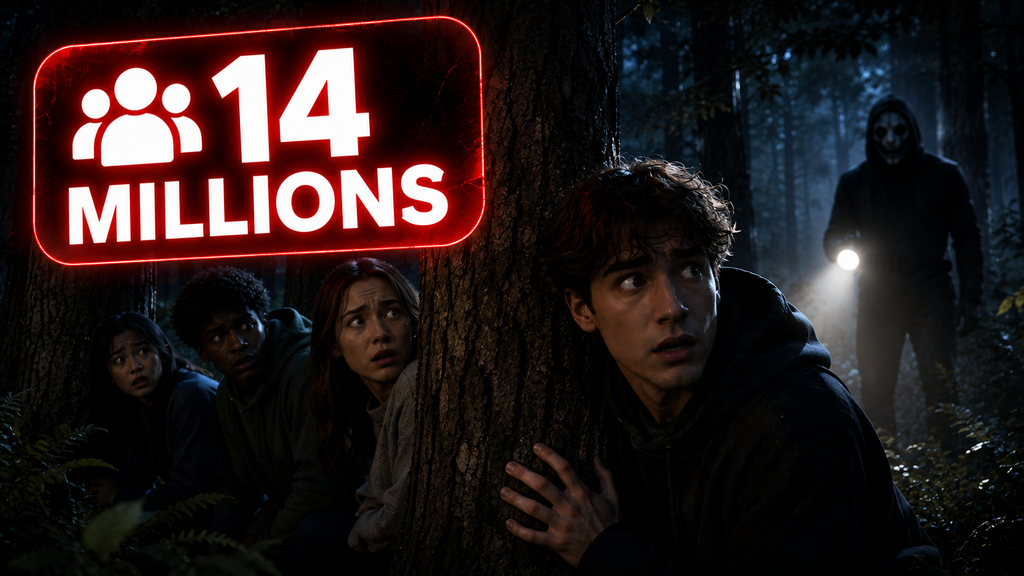
The game in question has achieved a remarkable milestone that puts it in elite company among gaming experiences worldwide. With approximately 14 million concurrent players logging in simultaneously, these figures place it alongside legendary titles like Fortnite during its peak events and the most successful game launches in recent memory. To put this into perspective, Steam’s all-time concurrent player record for a single game was PUBG with around 3.2 million players — meaning this Roblox horror title is attracting more than four times that number simultaneously.
The Evolution of Roblox Beyond Its Family-Friendly Image
Roblox Corporation has been quietly working for years to expand its demographic reach beyond its core young audience. The platform, which now boasts over 70 million daily active users globally, has been actively encouraging developers to create more sophisticated experiences aimed at older players. This strategic pivot includes improved graphics capabilities, more complex gameplay systems, and content moderation tools that allow for mature themes within appropriate boundaries. The company went public in 2021 with a valuation exceeding $40 billion, signaling investor confidence in its potential to capture broader market segments.
The success of horror games on Roblox specifically speaks to a growing trend within the platform’s ecosystem. Titles like “Doors,” “The Mimic,” and “Apeirophobia” have consistently attracted millions of players seeking thrilling experiences that push the boundaries of what the platform can offer. These games leverage the accessibility of Roblox — which is free-to-play and available on virtually every device from smartphones to gaming consoles — while delivering genuinely unsettling experiences that appeal to teenagers and adults alike. The low barrier to entry combined with surprisingly effective horror mechanics has created a unique niche that traditional gaming platforms struggle to replicate.
Industry Implications and the Future of Platform Gaming
Gaming industry analysts are taking notice of these developments, as they signal a potential shift in how platform-based gaming could evolve in the coming years. The user-generated content model pioneered by Roblox allows independent developers to create and monetize experiences without the traditional barriers of game development, including expensive development tools and publishing deals. This democratization has led to unexpected innovations, including horror experiences that can iterate and evolve based on player feedback in real-time. Major game studios are reportedly studying the Roblox model to understand how they might adapt their own approaches to development and community engagement.
The implications extend beyond mere player numbers. Roblox’s developer community, which earned over $740 million in 2023 alone through the platform’s revenue-sharing system, represents a new generation of game creators who are growing up with different expectations about game development and distribution. Many of these developers started as teenagers and have since built professional careers creating experiences within the Roblox ecosystem. The success of mature-themed content like survival horror games validates their creative ambitions and opens doors for even more diverse content in the future, potentially transforming Roblox from a children’s platform into a comprehensive gaming destination for all ages.
Expert Opinion: This milestone represents a pivotal moment for user-generated gaming platforms. As Roblox continues to attract older demographics through sophisticated content like horror games, we can expect traditional gaming companies to face increasing competition for player attention. The platform’s ability to achieve AAA-level concurrent player counts with community-created content suggests that the future of gaming may be less about big-budget studio releases and more about empowering creative communities to build the experiences players actually want.