In an era where live-service updates and downloadable content typically drive player engagement, the gaming industry is witnessing a fascinating phenomenon that challenges conventional wisdom about keeping players invested. Both Ubisoft’s Assassin’s Creed Odyssey and Insomniac Games’ Marvel’s Spider-Man series are experiencing remarkable revivals in player counts and sales figures, not because of new patches or expansions, but because of blockbuster films currently dominating the box office. This unexpected synergy between cinema and gaming is reshaping how we think about the relationship between these two entertainment powerhouses.
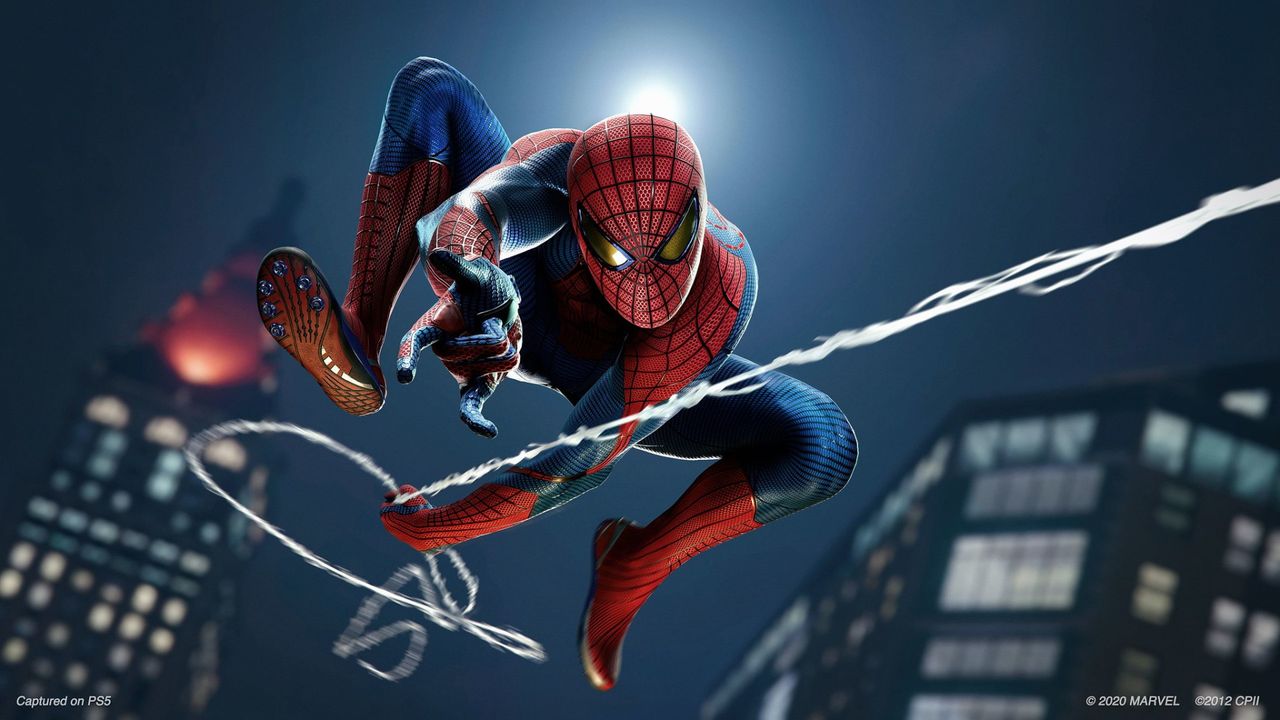
The numbers tell a compelling story. Assassin’s Creed Odyssey, originally released in 2018, has seen an estimated 90% surge in active player engagement in just the ten days following Christopher Nolan’s The Odyssey theatrical debut. Meanwhile, both Marvel’s Spider-Man Remastered and its sequel have catapulted back into Steam’s Top 10 best-selling games list, riding the wave of excitement generated by Spider-Man: Brand New Day’s record-breaking opening weekend that reportedly grossed $927 million globally.
Christopher Nolan’s The Odyssey Ignites Ancient Greek Gaming Renaissance
Christopher Nolan’s ambitious adaptation of Homer’s epic poem has become nothing short of a cultural phenomenon, dominating conversations across social media platforms and inspiring audiences to seek deeper immersion in the world of Ancient Greek mythology. What makes Assassin’s Creed Odyssey’s resurgence particularly interesting is that the game isn’t actually an adaptation of Homer’s Odyssey at all. Instead, it’s set during the Peloponnesian War and follows the story of a Spartan mercenary navigating the complex political landscape of 431 BCE Greece.
However, the thematic connections between Nolan’s film and Ubisoft’s open-world adventure are substantial. Both works feature encounters with mythological creatures, divine intervention from the Greek pantheon, and exploration of the same geographical and cultural landscape that has captivated storytellers for millennia. The game includes encounters with legendary figures like Medusa, the Minotaur, and the Sphinx, while players can explore recreations of famous locations including Athens, Sparta, and the Oracle of Delphi. For viewers leaving theaters mesmerized by Nolan’s visual interpretation of Ancient Greece, Assassin’s Creed Odyssey offers an interactive way to continue that journey, spending dozens of hours exploring a meticulously researched recreation of the classical world.
Spider-Man: Brand New Day Swings Marvel Games Back Into the Spotlight
The Marvel’s Spider-Man franchise’s return to prominence demonstrates the power of direct brand synergy in ways that Assassin’s Creed Odyssey’s more thematic connection cannot. Spider-Man: Brand New Day has secured the second-biggest opening weekend in box office history, a testament to the enduring popularity of the web-slinging superhero across all media. Sony and PlayStation have capitalized on this momentum with a strategically timed Steam sale, making their acclaimed Spider-Man titles irresistibly attractive to moviegoers eager to step into Peter Parker’s suit themselves.
This cross-media success story has deep roots in Spider-Man’s multimedia history. The character has always thrived across different entertainment formats, from the beloved 1990s animated series to Sam Raimi’s influential film trilogy and the more recent Marvel Cinematic Universe appearances. Video game adaptations of Spider-Man have been produced since the Atari 2600 era, but Insomniac Games’ 2018 title represented a quantum leap in quality, earning critical acclaim and commercial success that rivaled the character’s cinematic outings. The fact that these games can still generate massive sales years after release speaks to their quality and the timeless appeal of swinging through a virtual New York City.
The Broader Trend: Hollywood and Gaming’s Symbiotic Future
This phenomenon extends far beyond two isolated cases and signals a fundamental shift in how entertainment properties are developed and consumed. The gaming industry has seen a significant increase in licensed adaptations of major film franchises, with recent releases like 007 First Light and Indiana Jones and the Great Circle bringing iconic cinematic heroes into interactive experiences. An untitled John Wick game from Saber Interactive is currently in development, while horror franchises are getting renewed attention with Halloween: The Game and Clive Barker’s Hellraiser: Revival both scheduled for 2026 releases.
The question now becomes whether this symbiotic relationship works in reverse. With Nintendo’s live-action Legend of Zelda film in production and numerous other video game adaptations in development across Hollywood, the industry may soon see games like The Legend of Zelda: Tears of the Kingdom experiencing their own theatrical-driven renaissance. The success of recent video game adaptations including The Last of Us television series and the Super Mario Bros. Movie suggests that quality adaptations can indeed drive interest back to their source material, creating a virtuous cycle that benefits both industries.
What This Means for Players and Publishers
For publishers like Ubisoft and Sony, these unexpected revivals represent found revenue from games that have long since recouped their development costs. More importantly, they demonstrate that maintaining older titles in a playable state and keeping them available across multiple platforms can yield significant long-term dividends. The live-service model that dominates modern game development emphasizes constant content updates to retain players, but these Hollywood-driven surges prove that cultural moments can accomplish similar goals without requiring any development resources.
For players, this trend offers an exciting opportunity to experience beloved fictional worlds through multiple lenses. Gone are the days when video game adaptations of films were rushed cash-grabs released alongside theatrical debuts. Today’s gaming landscape offers rich, standalone experiences that complement their cinematic counterparts rather than simply capitalizing on them. Whether dusting off an old console to revisit Ancient Greece or taking advantage of a well-timed Steam sale to swing through Manhattan, fans are finding new ways to extend and enrich their entertainment experiences across media boundaries. This convergence of gaming and cinema represents not just a commercial opportunity, but a new paradigm for how stories can be told and experienced in an increasingly interconnected entertainment ecosystem.
Expert Opinion: This Hollywood-gaming synergy represents a maturation of cross-media entertainment that publishers would be wise to strategically cultivate. Expect to see more coordinated release windows, where game sales and updates are deliberately timed around major film releases of related IP. As the lines between gaming and cinema audiences continue to blur, companies that master this cross-pollination will hold significant competitive advantages in capturing and retaining consumer attention across both mediums.