
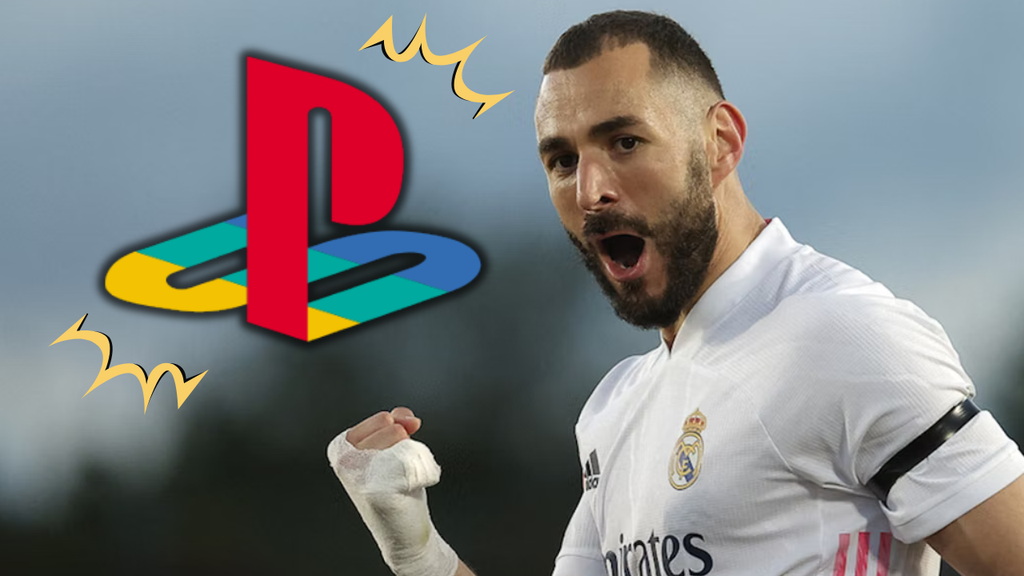
Karim Benzema, the legendary Real Madrid striker and 2022 Ballon d’Or winner, recently surprised fans with an unexpected revelation during an interview with French radio station NRJ. The former French national team star momentarily set aside his professional persona to take listeners on a nostalgic journey back to his childhood, sharing intimate details about the video games that played a surprising role in shaping his football career.
The 37-year-old football icon, who spent 14 glorious seasons at Real Madrid before moving to Saudi Arabian club Al-Ittihad in 2023, opened up about his passion for PlayStation games during his formative years in Lyon, France. Growing up in the Bron suburb of Lyon, young Karim balanced his time between training at the prestigious Olympique Lyonnais youth academy and unwinding with his favorite video games at home.
The Games That Defined a Champion
During the candid interview, Benzema revealed that two specific PlayStation titles held a special place in his heart: the iconic Pro Evolution Soccer series and the beloved FIFA franchise. These football simulation games weren’t merely entertainment for the young prodigy—they served as virtual training grounds where he could study tactics, understand player positioning, and develop his football intelligence. Many professional athletes have credited video games with helping them visualize plays and understand the strategic elements of their sports, and Benzema’s experience appears to align with this growing trend.
The revelation provides a fascinating glimpse into the making of one of football’s greatest strikers. Benzema’s career statistics speak for themselves: over 350 goals for Real Madrid, five UEFA Champions League titles, four La Liga championships, and ultimately the prestigious Ballon d’Or in 2022—an award that recognized him as the best player in the world. His journey from playing virtual football on a PlayStation in Lyon to lifting the most coveted individual prize in the sport represents a remarkable trajectory.
The Psychology Behind Gaming and Athletic Excellence
Sports psychologists have long studied the connection between video games and athletic performance. Research suggests that simulation games can enhance cognitive functions such as decision-making speed, spatial awareness, and pattern recognition—all crucial skills on the football pitch. For a young Benzema, hours spent playing Pro Evolution Soccer and FIFA may have unconsciously reinforced his understanding of the beautiful game, helping him recognize scoring opportunities and develop the clinical finishing that would later define his career.
Benzema’s openness about his gaming habits also humanizes the football superstar, reminding fans that even elite athletes have ordinary hobbies and childhood memories. This authenticity has endeared him to a new generation of fans who see reflections of their own experiences in his story. In an era where professional footballers are often perceived as distant figures, such personal revelations create meaningful connections with supporters worldwide.
A Legacy Beyond the Pitch
As Benzema continues his career in Saudi Arabia’s Pro League, his influence extends far beyond his on-field performances. The French striker has become an ambassador for the sport, inspiring young players who dream of following in his footsteps. His acknowledgment that simple pleasures like playing PlayStation contributed to his development sends a powerful message: greatness emerges from passion, dedication, and sometimes unexpected sources. Whether on the virtual pitch or the real one, Karim Benzema’s love affair with football began early and has never wavered, cementing his status as one of the sport’s most beloved figures.
Expert Opinion: Benzema’s revelation underscores an increasingly recognized phenomenon in sports development—the cognitive benefits of video game simulation. As esports and traditional athletics continue to converge, we may see more professional clubs incorporating gaming elements into youth development programs. This trend suggests that the next generation of football stars will likely emerge from environments where virtual and physical training complement each other seamlessly.