
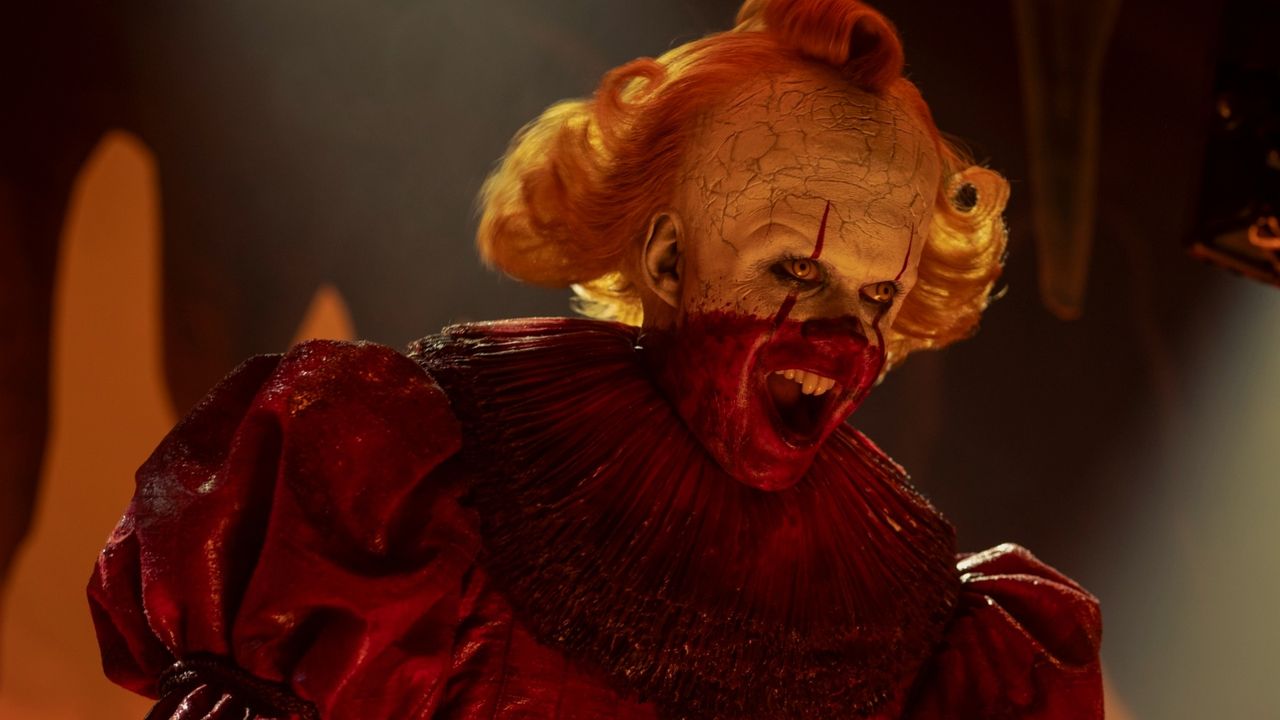
The upcoming second season of HBO’s hit horror series “It: Welcome to Derry” promises to deliver an even more harrowing and brutal experience than its predecessor, as co-creator and showrunner Andy Muschietti reveals the show will fully embrace the grim realities of its 1935 setting. The prequel series, which explores the origins of Pennywise the Dancing Clown, will not shy away from the devastating social and economic conditions that defined one of America’s darkest periods in history.
In an exclusive interview with Variety, Muschietti outlined his ambitious vision for the new season, emphasizing that the Great Depression will serve as more than just a backdrop. “There’s gonna be a lot of that depression-era hustling in the air in our characters,” the showrunner explained. “Everybody’s trying to get by and survive the circumstances. They are gonna do crazy things.” This approach signals a significant tonal shift from the first season, promising a grittier and more desperate atmosphere that will complement the supernatural horror at the series’ core.
A Town in Decay: The New Face of Derry
Perhaps the most striking change viewers can expect involves the complete transformation of Derry itself. Unlike the relatively comfortable suburban setting of Stephen King’s original novel and the subsequent film adaptations, the Derry of 1935 will be a community on the brink of collapse. Muschietti painted a vivid picture of the town’s deterioration, describing it as “a graveyard almost” and “a carcass of something because people are depleted, poor, tired, jobless, homeless.” The Great Depression, which began with the stock market crash of 1929, had by 1935 left approximately 20 percent of Americans unemployed, with countless families losing their homes, savings, and livelihoods. This historical context will fundamentally alter the dynamics of the show’s young protagonists.
The children at the center of season 2 will face circumstances far removed from the bicycle-riding suburban kids audiences have come to associate with the “It” franchise. “The kids don’t have a suburban, comforting life. They’re in a very different situation,” Muschietti noted. “Some of them are orphans or runaways, and so the environment is pretty bleak.” During the Depression era, an estimated 250,000 teenagers became homeless, riding freight trains and wandering the country in search of work or simply survival. This reality will inform the characterization of the new group of children who must face the ancient evil lurking beneath Derry’s streets.
Confronting Historical Horrors Alongside Supernatural Terrors
Muschietti made clear that the production team intends to address the social injustices and cultural atrocities of the era head-on. “And of course, the social, cultural, horrible things that were happening in the era, too. We’re not going to skip those,” he stated firmly. “[They are the] very center and the heart of our story.” The 1930s saw widespread discrimination, racial violence, and systemic oppression throughout America, themes that have always been integral to Stephen King’s examination of small-town evil in his seminal 1986 novel. By incorporating these real-world horrors, the series continues the tradition of using Pennywise as a manifestation of humanity’s darkest impulses.
Central to season 2’s narrative will be the Bradley Gang Massacre, a historical event that King incorporated into his mythology. The storyline will follow a group of outlaws who descended upon Derry and wreaked havoc on the already struggling town. This mirrors the pattern established throughout the “It” mythos, where Pennywise’s cyclical returns are marked by catastrophic events that claim numerous lives. The first season depicted the devastating Black Spot fire, while the 2017 film featured the tragic murder of young George Denbrough, and the 2019 sequel opened with a brutal hate crime against a gay couple.
The Expanding Timeline of Terror
The second season maintains the established 27-year cycle that governs Pennywise’s appearances, jumping back from the 1962 setting of season 1. This temporal structure allows the creative team to explore different eras of American history while maintaining continuity with the film franchise. Season 1 cleverly connected to the movies by focusing on the parents of the original Losers Club, providing origin stories for characters audiences already knew from the 2017 adaptation. Looking ahead, Muschietti has confirmed that a potential third season would venture even further into the past, specifically to 1908, when the entity first adopted its iconic clown persona.
Despite the overwhelmingly bleak circumstances facing the characters, Muschietti assured fans that hope remains a crucial element of the narrative. “But there’s always the aspect of hope that is always there, burning, and it’s what keeps our new group going,” he emphasized. This balance between despair and resilience has always been central to King’s work, and it appears the television adaptation will honor that tradition while carving out its own unique identity within the horror genre. While no official release date has been announced for “It: Welcome to Derry” season 2, anticipation continues to build among fans eager to see how the creative team will bring the Depression-era horrors of Derry to life on screen.
Expert Opinion: The decision to ground supernatural horror within authentic historical trauma represents a sophisticated approach to genre storytelling that could elevate “Welcome to Derry” beyond typical prequel territory. By paralleling Pennywise’s predatory nature with the very real monsters of Depression-era America—poverty, discrimination, and social collapse—the series has the potential to deliver horror that resonates on multiple levels, making it one of the most ambitious horror television projects currently in production.