
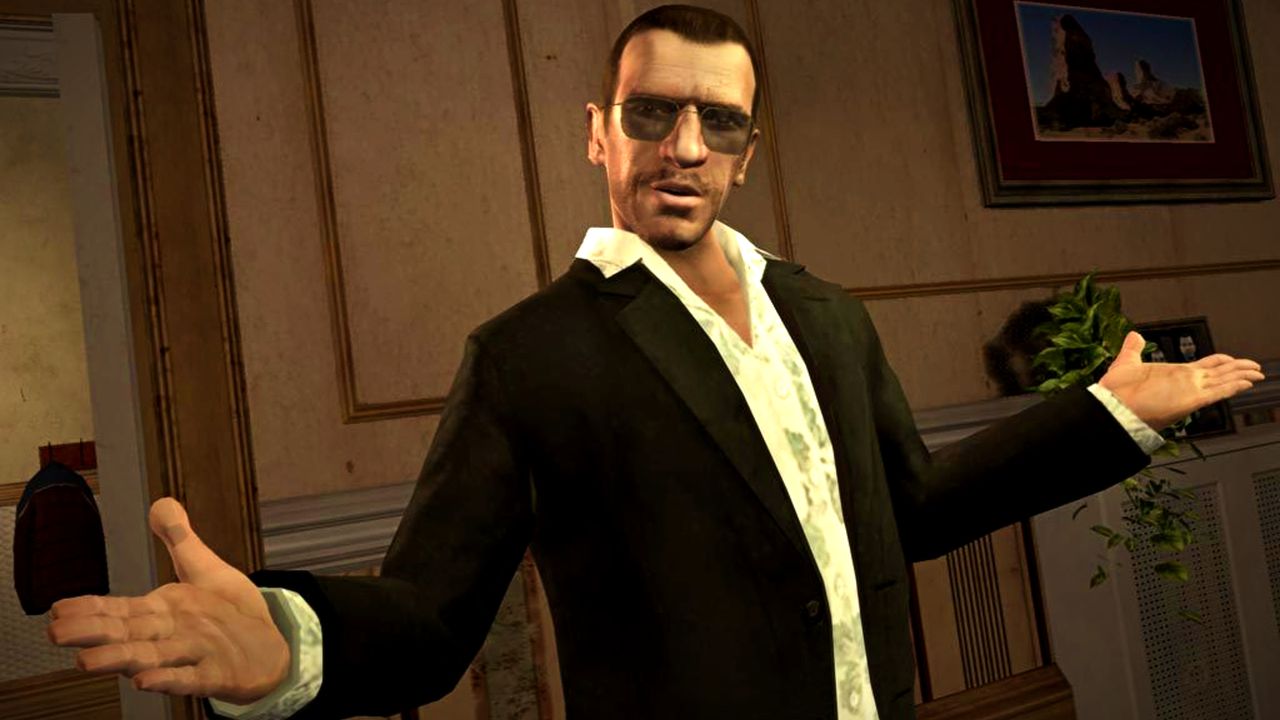
In the ambitious development of Grand Theft Auto 4, producer Leslie Benzies had a revolutionary vision for the game’s non-player characters. According to former Rockstar Games technical lead Obbe Vermeij, Benzies wanted every single NPC in Liberty City to possess their own schedules, homes, and believable daily routines. The concept was groundbreaking for its time, imagining a world where digital citizens would wake up each morning, drive to work, and live out their virtual existence with remarkable authenticity. However, this ambitious feature ultimately proved to be both technically nightmarish and surprisingly unnecessary for player enjoyment.
Speaking to Edge Magazine about the game’s development process, Vermeij provided fascinating insight into this abandoned feature. “Leslie Benzies wanted all the GTA 4 NPCs to have their own lives. A place to live. A schedule. Every morning, they would drive to work,” Vermeij explained. “We worked towards it for a bit, but it ended up being so problematic.” The revelation offers a rare glimpse into the creative tensions and technical challenges that shaped one of gaming’s most influential open-world titles, released back in 2008 to critical acclaim and commercial success.
Technical Limitations of Seventh-Generation Hardware
The timing of GTA 4’s development coincided with Rockstar’s transition to seventh-generation consoles, specifically the PlayStation 3 and Xbox 360. While these systems represented a significant leap forward from their predecessors, they still lacked the processing power and memory capacity required to simulate thousands of NPCs with independent schedules and behaviors. According to Vermeij, the feature generated an overwhelming number of bugs that made implementation impractical. The computational overhead of tracking each character’s location, destination, and daily routine proved too demanding for the hardware of that era, forcing the development team to abandon the concept despite significant investment in its creation.
The technical challenges extended beyond mere processing power. Creating believable AI routines for potentially thousands of characters required sophisticated pathfinding algorithms, dynamic traffic systems, and complex behavioral trees that would need to operate simultaneously without causing game-breaking conflicts. Each NPC following their own schedule meant potential interactions and collisions that could cascade into unpredictable situations, making quality assurance an almost impossible task. Game development history is filled with similar stories of ambitious features being scaled back due to hardware limitations, from the original plans for Skyrim’s radiant AI system to the downsized ambitions of numerous other open-world titles.
The Philosophy of Meaningful Game Design
Perhaps more interesting than the technical obstacles was Vermeij’s philosophical objection to the fully simulated NPC concept. “I didn’t like the idea because it felt like it didn’t really matter that much,” he candidly admitted. “It wasn’t really important that everyone had their own schedule and their own life.” This perspective cuts to the heart of a fundamental debate in game design: whether technical realism translates into meaningful player experience. Vermeij argued that players are psychologically comfortable with NPCs being somewhat artificial and shallow, suggesting that the illusion of life matters more than its actual simulation.
“I actually think that, psychologically, players are fine with NPCs being a little fake and shallow,” Vermeij elaborated. “I think what it comes down to is that realism is just not necessarily something to aim for in a game.” This philosophy aligns with how the Grand Theft Auto series has historically succeeded—by prioritizing entertaining chaos over strict simulation. The games have thrived as anarchic sandboxes where players create their own entertainment through mayhem and exploration, rather than as serious urban simulators demanding authentic human behavior from every passerby. With GTA 6 expected to launch later this year, fans are curious whether Rockstar will push the boundaries of NPC behavior or maintain focus on delivering the chaotic open-world experience that has defined the franchise for over two decades.
Expert Opinion: The abandoned NPC simulation feature in GTA 4 represents a fascinating case study in game development priorities. While modern hardware could potentially handle such systems today, the question remains whether players truly benefit from hyper-realistic background characters. As GTA 6 approaches, Rockstar will likely focus on creating the perception of a living world through clever scripting and dynamic events rather than true simulation, as this approach has consistently delivered the most engaging player experiences in the franchise’s history.