In a significant announcement that has captured the attention of gaming enthusiasts worldwide, Konami’s president Hideki Hayakawa has revealed that reboots of the company’s most beloved franchises—including Metal Gear, Castlevania, Silent Hill, and Suikoden—represent crucial pillars of the publisher’s business strategy moving forward. The statement marks a decisive shift for a company that spent years alienating its fanbase through controversial business decisions and a perceived abandonment of its legendary gaming heritage.
Speaking to Nikkei Gaming, Hayakawa emphasized that these franchise revivals are not merely nostalgic cash grabs but fundamental initiatives designed to rebuild Konami’s position in the competitive gaming landscape. “Reboots of existing IPs such as Metal Gear, Silent Hill, Castlevania, and Suikoden are important initiatives that serve as pillars of our business,” Hayakawa stated, while also expressing the company’s ambition to “create entirely new genres and works.”
Konami’s Turbulent History and the Road to Redemption
The significance of this announcement cannot be understated when viewed against the backdrop of Konami’s tumultuous recent history. The Japanese gaming giant experienced a dramatic fall from grace in the mid-2010s, largely stemming from a very public and acrimonious split with legendary game designer Hideo Kojima around the release of Metal Gear Solid 5: The Phantom Pain in 2015. The departure of Kojima, who had been the creative visionary behind the Metal Gear series since its inception in 1987, sent shockwaves through the gaming community and raised serious questions about the future of Konami’s most iconic franchises.
Following Kojima’s exit, Konami pivoted heavily toward pachinko machines—Japanese gambling devices that proved highly profitable domestically but did little to maintain the company’s reputation among international gaming audiences. The company’s decision to cancel the highly anticipated Silent Hills project, which had featured a playable teaser demo called P.T. that became a cultural phenomenon, further damaged its standing with fans. For several years, Konami seemed content to license its intellectual properties for gambling machines rather than invest in new gaming experiences, leading many to write off the publisher entirely.
A Renaissance Through Remakes and New Projects
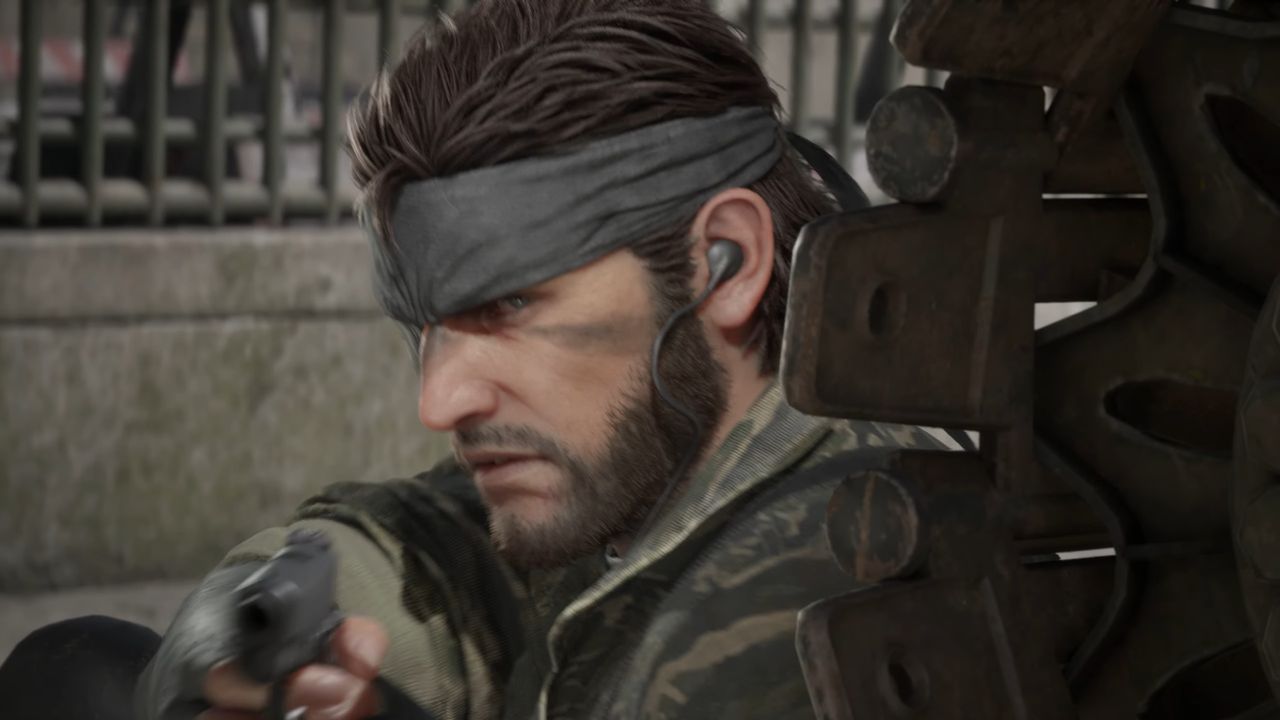
However, the past few years have witnessed a remarkable turnaround in Konami’s approach to its gaming division. The company has released well-received re-releases of classic Castlevania and Metal Gear titles, allowing new generations of players to experience these landmark games. More significantly, Konami announced ambitious remake projects including Silent Hill 2 and Metal Gear Solid Delta: Snake Eater, the latter being a ground-up recreation of the beloved 2004 stealth action game. These projects demonstrated a renewed commitment to quality and suggested that Konami was serious about rehabilitating its image among dedicated fans.
The announcement of Silent Hill f proved particularly important in signaling Konami’s intentions. Rather than simply repackaging existing content, this new title represented a genuine attempt to expand the Silent Hill universe with fresh storytelling set in 1960s Japan. Developed by NeoBards Entertainment and written by renowned novelist Ryukishi07, the game demonstrated that Konami was willing to take creative risks with its properties rather than relying solely on nostalgia-driven remakes.
The Metal Gear Question: Life After Kojima
Perhaps the most intriguing aspect of Hayakawa’s statement concerns the future of Metal Gear, a franchise so intrinsically linked with Hideo Kojima that many fans have questioned whether meaningful new entries could ever be created without his involvement. Kojima’s fingerprints are on every aspect of the series’ identity—from its complex narratives exploring themes of nuclear proliferation and genetic determinism to its distinctive blend of stealth gameplay and cinematic storytelling. The specific use of the word “reboot” by Hayakawa suggests Konami may be considering a fresh start for the franchise, potentially with new characters, settings, and creative leadership.
Interestingly, as Konami charts this new course, Kojima himself continues to focus on game development at his independent studio, Kojima Productions. The legendary designer recently celebrated his 63rd birthday and reaffirmed his commitment to creating games despite increasing interest in film projects. His current work includes Death Stranding 2: On the Beach, demonstrating that his creative output remains as prolific as ever, even as his former employer attempts to move forward with the franchises he helped define.
Expert Opinion: Konami’s strategic pivot back to core gaming franchises represents a calculated gamble that could reshape the company’s future. The success of upcoming projects like Metal Gear Solid Delta will serve as a crucial litmus test—if Konami can demonstrate it can honor these beloved series while carving new creative paths, it may finally escape the shadow of its controversial past and establish itself as a relevant force in modern gaming once again.