
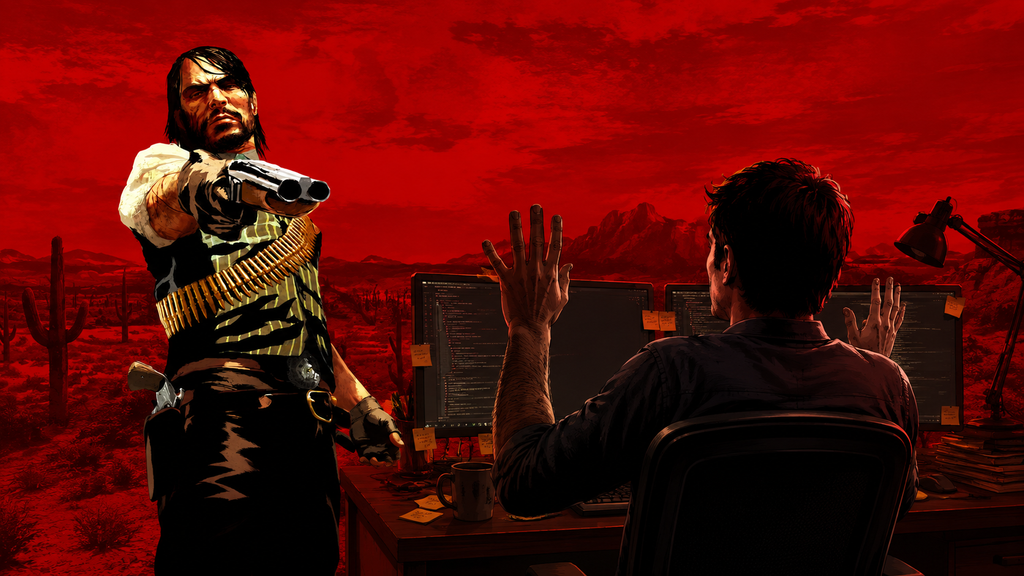
Rockstar Games, the legendary studio behind blockbuster franchises like Grand Theft Auto and Red Dead Redemption, has long carried a controversial reputation regarding working conditions during game development. This week, a former employee came forward to reveal that their time at the company marked one of the most challenging periods of their entire career, characterized by grueling work weeks that pushed the boundaries of what many would consider reasonable in any industry. The revelation adds fresh fuel to an ongoing debate about labor practices in the gaming sector, particularly at studios known for producing massive, detail-rich open-world experiences.
The developer’s account describes periods of intense crunch, a term used in the gaming industry to describe extended overtime work, often mandatory, during critical phases of game development. According to their testimony, employees were expected to work extraordinarily long hours, sometimes exceeding 60 to 80 hours per week, to meet ambitious release deadlines. What makes this particular case stand out is the alleged absurdity of some requests—tasks that seemed unnecessary or could have been avoided with better project management, yet still required enormous personal sacrifice from the development team.
The Dark Side of Triple-A Game Development
Rockstar Games has faced scrutiny over its workplace culture for years. In 2018, co-founder Dan Houser made headlines when he mentioned in an interview that some team members were working 100-hour weeks during the final push to complete Red Dead Redemption 2. The statement sparked immediate backlash and prompted the company to issue clarifications, claiming such hours were voluntary and limited to senior staff. However, numerous anonymous accounts from current and former employees painted a different picture, describing a culture where excessive work was implicitly expected and those who didn’t participate risked being sidelined or overlooked for promotions.
The gaming industry’s crunch problem extends far beyond Rockstar. Studios like CD Projekt Red, Naughty Dog, and BioWare have all faced similar accusations over the years. The phenomenon stems from several factors: ambitious creative visions, fixed release dates tied to marketing campaigns, and the inherent unpredictability of software development. However, critics argue that poor planning and management decisions often transform what should be temporary intensity into months-long marathons of overwork. The human cost includes burnout, mental health issues, relationship problems, and in some cases, developers leaving the industry entirely.
Industry Response and Calls for Change
The latest revelations come at a time when the gaming industry is experiencing increased pressure to reform its labor practices. Unionization efforts have gained momentum, with workers at several major studios organizing to demand better conditions, job security, and reasonable working hours. In 2023, quality assurance testers at ZeniMax Media, a subsidiary of Microsoft, successfully formed one of the largest unions in the American gaming industry. Similar movements have emerged at Activision Blizzard and other major publishers, signaling a potential shift in power dynamics between employers and employees.
Rockstar’s parent company, Take-Two Interactive, has previously acknowledged the need for improvement and claimed to have implemented changes following the 2018 controversy. These allegedly include better project planning, hiring additional staff, and creating clearer boundaries around overtime expectations. However, the persistence of employee complaints suggests that meaningful cultural change remains elusive. Industry analysts note that as long as studios continue to generate billions of dollars in revenue from games developed under crunch conditions, the financial incentive to fundamentally alter their approach remains limited.
What This Means for Future Rockstar Projects
With Grand Theft Auto VI on the horizon, widely anticipated as one of the biggest entertainment releases in history, questions about Rockstar’s workplace practices take on renewed urgency. Early reports suggest the game has been in development for years, with the studio reportedly making efforts to avoid the crunch controversies that plagued previous projects. Whether these changes prove substantive or merely cosmetic remains to be seen. For the developer who recently spoke out, their experience serves as a cautionary tale about the personal costs of creating the interactive experiences that millions of players take for granted. As the industry continues to evolve, the tension between artistic ambition and worker welfare shows no signs of resolution.
Expert Opinion: The persistent crunch culture at major gaming studios reflects a fundamental misalignment between production schedules and creative ambitions that technology alone cannot solve. Until companies face meaningful financial consequences—whether through regulation, consumer pressure, or talent exodus—the cycle of exploitation will likely continue. The growing unionization movement represents the most promising path toward systemic change, but success will require sustained solidarity across a historically fragmented workforce.