
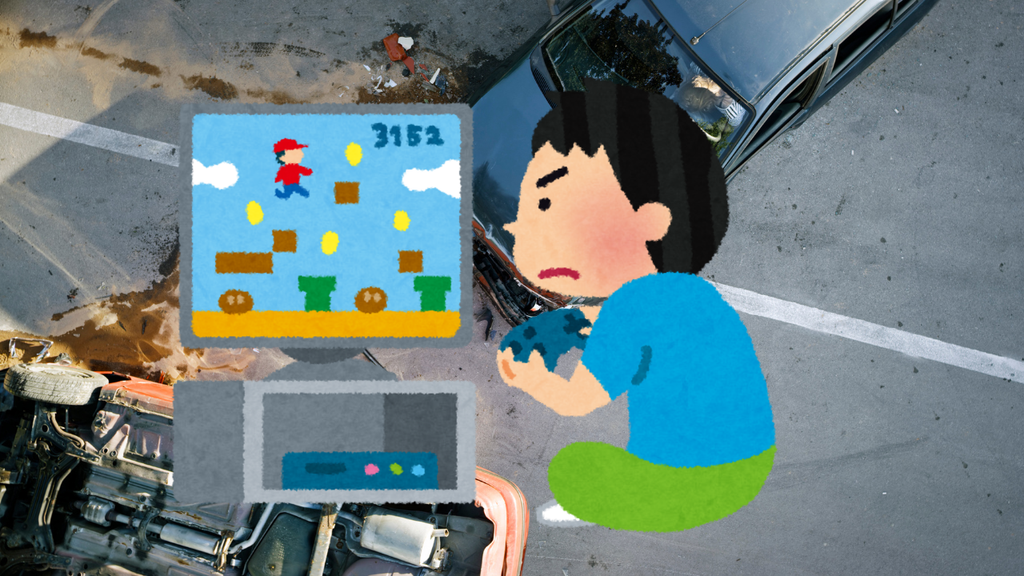
In a remarkable intersection of gaming and mental health research, scientists have discovered that playing a specific video game shortly after experiencing a traumatic event could significantly reduce the risk of developing long-term psychological trauma. The findings suggest that engaging with the classic puzzle game Tetris within approximately 20 minutes of witnessing or experiencing an accident may help prevent the formation of intrusive memories that characterize post-traumatic stress disorder (PTSD). This groundbreaking research opens new possibilities for emergency psychological intervention and challenges our understanding of how traumatic memories are formed and consolidated in the brain.
The study, conducted by researchers at Oxford University and the Karolinska Institute in Sweden, builds upon years of investigation into the mechanisms of memory formation. When a person experiences a traumatic event, the brain begins a complex process of encoding and storing those memories. However, this consolidation process takes time—typically several hours—during which the memories remain malleable and potentially susceptible to disruption. Scientists theorized that by occupying the brain’s visual-spatial processing systems during this critical window, they could interfere with the formation of vivid, intrusive flashbacks that plague trauma survivors.
How Tetris Disrupts Traumatic Memory Formation
The science behind this phenomenon relates to how our brains process and store different types of information. Traumatic memories are often encoded with strong visual and sensory components, which is why flashbacks can feel so vivid and overwhelming. Tetris, with its constantly falling and rotating colorful blocks, demands significant visual-spatial processing power from the brain. When played during the memory consolidation window, the game essentially competes for the same cognitive resources that would otherwise be used to cement traumatic visual memories. This competition appears to weaken the emotional intensity of the trauma-related memories without erasing them entirely—people still remember what happened, but the memories become less intrusive and distressing.
Previous experiments have yielded promising results. In controlled laboratory settings, participants who watched distressing film footage and then played Tetris experienced significantly fewer intrusive memories in the following week compared to control groups. More recent field studies have extended these findings to real-world emergency situations. In one notable study conducted in emergency departments, patients who had experienced motor vehicle accidents and played Tetris within six hours of admission reported approximately 62% fewer intrusive memories during the subsequent week than those who received standard care alone.
Implications for Emergency Mental Health Care
The implications of this research extend far beyond academic curiosity. Post-traumatic stress disorder affects millions of people worldwide, with symptoms that can persist for years and severely impact quality of life. Traditional treatments for PTSD, while effective for many patients, often require weeks or months of therapy and don’t work for everyone. The possibility of a simple, accessible intervention that could be administered immediately after trauma represents a potential paradigm shift in emergency mental health care. Emergency responders, hospital staff, and even bystanders could theoretically help accident victims begin psychological recovery before they even leave the scene.
However, researchers caution that while the findings are encouraging, more extensive clinical trials are needed before such interventions become standard practice. Questions remain about the optimal timing, duration of gameplay, and whether the effect works equally well across different types of traumatic experiences. Additionally, other visually demanding tasks might produce similar effects, though Tetris has become the focus of research due to its accessibility, familiarity, and the specific demands it places on visual-spatial processing. Some scientists have also explored whether the technique could help individuals who already suffer from established PTSD, with early results suggesting potential benefits even for older traumatic memories when combined with memory reactivation techniques.
The Future of Trauma Prevention
As our understanding of memory and trauma continues to evolve, interventions like the Tetris protocol represent a broader shift toward preventive mental health care. Rather than waiting for psychological conditions to develop and then treating them, researchers are increasingly interested in identifying windows of opportunity where simple interventions can prevent problems before they take root. The accessibility of video games makes them particularly attractive as potential therapeutic tools—nearly everyone has access to a smartphone capable of running Tetris, and the game requires no specialized training to use. While playing a video game will never replace professional mental health support for serious trauma, it may prove to be a valuable first line of defense in the critical minutes and hours following a distressing event.
Expert Opinion: This research represents a fascinating convergence of neuroscience, psychology, and practical intervention design. If larger clinical trials confirm these findings, we could see Tetris or similar games becoming standard tools in emergency response protocols worldwide. The key insight here is that trauma prevention may be far more achievable than trauma treatment, and identifying these critical intervention windows could revolutionize how we approach psychological first aid.