
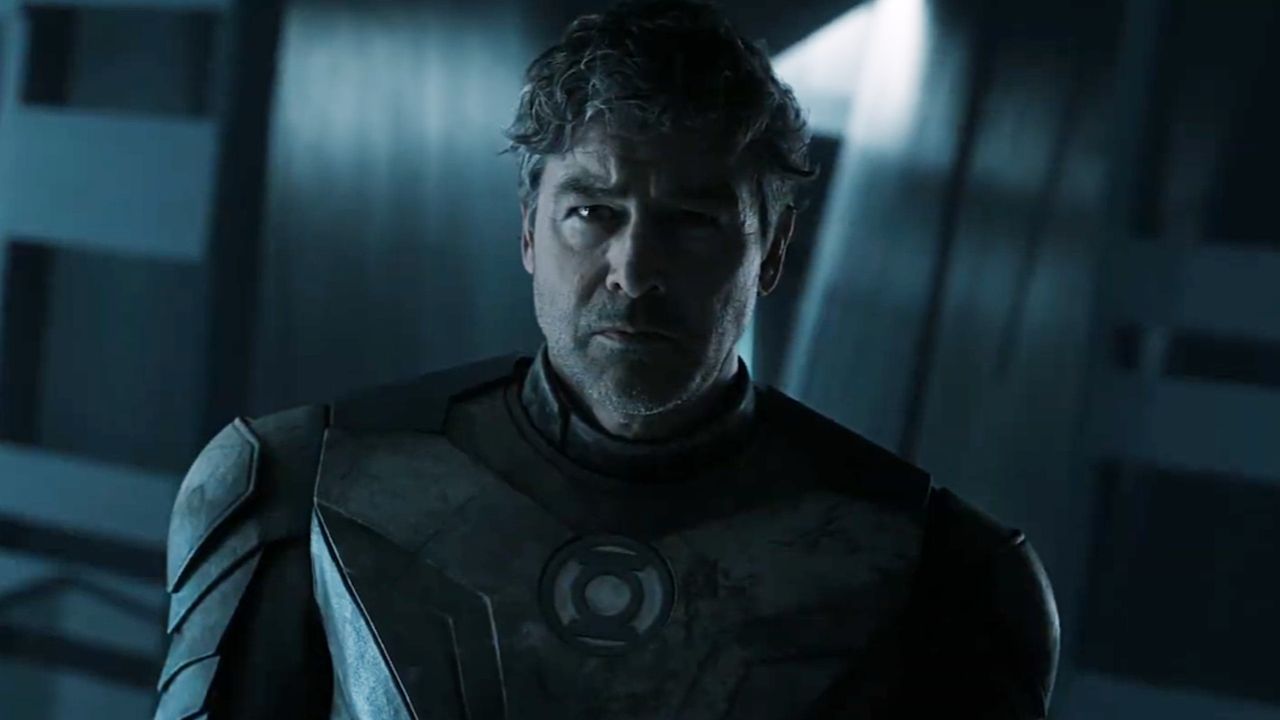
The upcoming DC series Lanterns is set to bring the iconic Green Lantern franchise to television screens with a distinctive approach that prioritizes grounded storytelling over immediate cosmic spectacle. However, showrunner Chris Mundy has recently suggested that the show’s earthbound beginnings might eventually give way to the vast interstellar mythology that has defined the Green Lantern comics for decades. In an interview with SFX magazine, Mundy revealed that while the series starts as a murder mystery set in rural Nebraska, the creative team has no intention of ignoring the rich cosmic potential of the source material.
The decision to anchor the series in a True Detective-style investigation rather than launching immediately into space opera territory was a deliberate creative choice made early in development. “We just committed pretty early,” Mundy explained to SFX. “It wasn’t like, ‘Oh, should we do it this way?’ We said ‘We’re going to do it this way.’ So we just started building it. In that way we were all in from the beginning.” This approach reflects a growing trend in superhero television toward character-driven narratives that establish emotional stakes before expanding into larger mythology.
Building Trust Through Grounded Storytelling
Mundy emphasized that the grounded approach serves a specific narrative purpose: establishing viewer investment in the characters before expanding the scope. “We wanted to make sure that we were firmly walking the Earth first, and then hopefully you can build those relationships, and that trust inside the show, and you can keep doing more and more,” he explained. This strategy mirrors successful approaches taken by other comic book adaptations, including the early seasons of Arrow and the first phase of the Marvel Cinematic Universe, which gradually introduced supernatural and cosmic elements after grounding audiences in relatable human drama.
The Green Lantern mythology represents one of DC Comics’ most expansive fictional universes, encompassing multiple alien species, interstellar police forces, and entities of cosmic significance. Created by writer John Broome and artist Gil Kane in 1959, the modern Green Lantern concept introduced Hal Jordan as a test pilot chosen by a dying alien to join the Green Lantern Corps, an intergalactic peacekeeping organization. Over the decades, the franchise has expanded to include thousands of Lanterns across the universe and introduced the emotional spectrum, a mythology where different colored rings draw power from various emotions.
Cosmic Potential Teased in Recent Footage
Despite the show’s grounded beginnings, recent promotional material has hinted at larger cosmic elements to come. The second Lanterns trailer, released during San Diego Comic-Con weekend, won over skeptical fans with its creative use of the Lantern ring’s construct-building abilities, a tantalizing tease of the character Sinestro, and what appeared to be scenes set beyond Earth’s atmosphere. Sinestro, originally a respected Green Lantern who became corrupted by power, represents one of the franchise’s most compelling antagonists and has historically served as a gateway to exploring the Corps’ wider mythology.
Mundy made clear that the creative team has no intention of permanently limiting themselves to terrestrial storytelling. “We’d be stupid not to use everything that you can do inside the Green Lantern universe,” he stated emphatically. “They have these abilities. They have the ring. Their world is just bigger, and the way we use our storytelling can be bigger too. We sometimes had to remind ourselves that there’s as much or as little sci-fi in it as we want there to be.” This flexibility suggests that Lanterns could evolve significantly across multiple seasons, potentially incorporating elements like the Guardians of the Universe, the planet Oa, and the various Lantern Corps representing different emotions.
A New Chapter for DC’s Television Universe
Lanterns stars Aaron Pierre as John Stewart, a former Marine turned rookie Green Lantern, alongside Kyle Chandler as the veteran Hal Jordan. The casting represents a significant commitment from DC Studios, with both actors bringing substantial dramatic credentials to the project. Pierre, known for his roles in Barry Jenkins’ The Underground Railroad and Rebel Ridge, brings intensity and gravitas to Stewart, while Chandler’s experience in shows like Friday Night Lights makes him well-suited for the mentor role. The series is set to premiere on HBO on August 16, positioning it as a flagship title in the new DCU Chapter One initiative being overseen by James Gunn and Peter Safran.
The show arrives at a pivotal moment for DC entertainment, as the studio works to establish a cohesive shared universe across film and television. Previous attempts to bring Green Lantern to screens have met with mixed results, most notably the 2011 Ryan Reynolds film that disappointed both critically and commercially. By taking a more deliberate, character-focused approach, Lanterns appears to be learning from past mistakes while laying groundwork for future cosmic adventures that could help distinguish the DCU from its competitors.
Expert Opinion: The strategy of beginning with grounded storytelling before expanding into cosmic mythology represents a mature approach to franchise building that has proven successful across multiple properties. If Lanterns can establish genuine emotional connections with its leads while gradually introducing the wider Green Lantern mythology, it could serve as the foundation for an entire corner of the DCU, potentially spinning off into Corps-focused content that rivals anything Marvel has achieved with its cosmic properties.