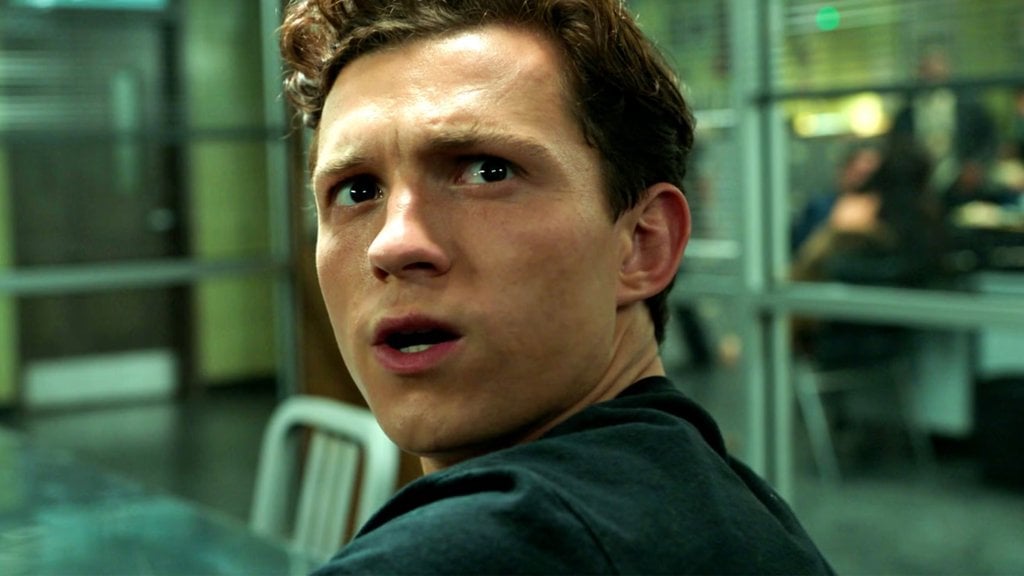
In a recent interview with entertainment journalist Josh Horowitz, Spider-Man star Tom Holland made a surprising revelation about his relationship with one of the most acclaimed video game adaptations in television history. The British actor declared The Last of Us Part II as his favorite video game of all time, yet admitted he refuses to watch HBO’s critically acclaimed series adaptation. His reasoning? A deep, unwavering love for the original source material that he fears the show might somehow diminish.
Holland’s stance highlights a fascinating phenomenon among dedicated gamers who struggle to separate their cherished interactive experiences from passive television viewing. The 28-year-old actor explained that his emotional connection to the Naughty Dog masterpiece runs so deep that he cannot bring himself to see another interpretation of the story he holds so dear. This perspective resonates with millions of gamers worldwide who approach adaptations of their beloved franchises with a mixture of excitement and trepidation.
The Last of Us: From Gaming Phenomenon to Television Triumph
The Last of Us franchise, developed by Naughty Dog and published by Sony Interactive Entertainment, first launched in 2013 on the PlayStation 3. The original game followed Joel, a hardened survivor, and Ellie, a teenage girl who may hold the key to developing a cure for the fungal infection that has devastated civilization. The game received universal acclaim for its storytelling, character development, and emotional depth, selling over 17 million copies worldwide and winning numerous Game of the Year awards.
The sequel, The Last of Us Part II, released in June 2020 during the height of the global pandemic, pushed boundaries even further with its controversial narrative choices and technically stunning presentation. The game explored themes of revenge, grief, and the cycle of violence through a bold storytelling structure that divided fans while earning unprecedented critical praise. It became the most awarded video game in history, collecting over 300 Game of the Year accolades from various publications and award ceremonies.
HBO’s Adaptation Breaks Records and Expectations
When HBO announced its television adaptation of The Last of Us, expectations were sky-high. The series premiered in January 2023 with Pedro Pascal as Joel and Bella Ramsey as Ellie, quickly becoming one of the most successful video game adaptations ever produced. The show attracted an average of 30 million viewers per episode during its first season and received 24 Emmy nominations, winning eight awards including Outstanding Guest Actress for Nick Offerman’s performance.
The series creators, Craig Mazin and Neil Druckmann (who also directed the games), took a careful approach to adaptation, maintaining the core emotional beats while expanding certain storylines for television audiences. Episode three, titled “Long Long Time,” became a cultural phenomenon, telling the love story between two survivors that was only briefly mentioned in the game. Critics praised the adaptation for respecting its source material while finding ways to enhance and expand the narrative for a new medium.
The Psychology Behind Adaptation Anxiety
Tom Holland’s reluctance to watch the series speaks to a broader psychological phenomenon that entertainment researchers have studied extensively. When audiences form deep emotional connections with interactive media, the experience becomes intensely personal in ways that passive entertainment rarely achieves. Video games require players to make decisions, invest time, and actively participate in the narrative, creating a sense of ownership over the story that films and television cannot replicate.
Media psychologists suggest that this protective instinct stems from a fear of having cherished memories recontextualized or diminished by alternative interpretations. For Holland, who has spoken extensively about his love for gaming throughout his career, The Last of Us Part II clearly represents more than just entertainment—it’s a formative emotional experience he wishes to preserve in its original form. Whether he eventually gives the series a chance remains to be seen, but his honest admission has sparked widespread discussion among fans facing the same dilemma.
Expert Opinion: Holland’s stance represents a growing sentiment among dedicated gamers who view their interactive experiences as sacred and irreplaceable. As video game adaptations continue to dominate Hollywood’s agenda, studios will increasingly need to balance faithful recreation with creative innovation to satisfy both newcomers and protective fans. This tension will likely define the next decade of cross-media entertainment as gaming culture becomes ever more mainstream.